Latvia’s First Underwater Archaeological Dig Uncovers Bone Spear Up to 11,000 Years Old

Explorations on Chepurite Island Reveal Ancient Settlement
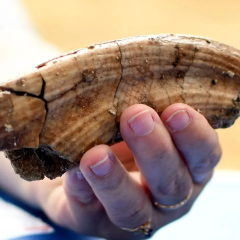
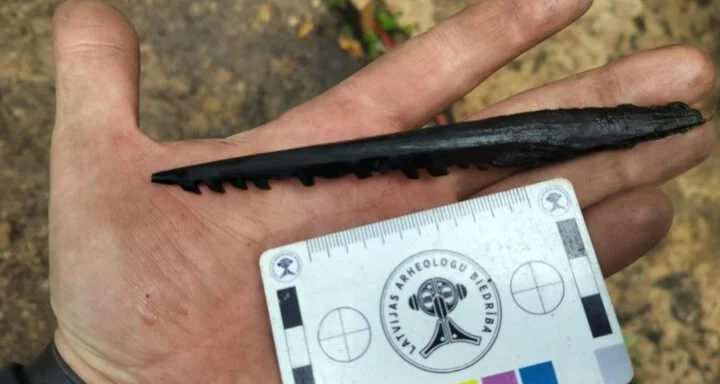
According to НВ — Техно: In August 2026, Latvia conducted its inaugural underwater archaeological excavation on Chepurite Island in Lake Indzers, uncovering a remarkable prehistoric settlement. Led by the Latvian Academy of Culture, the expedition discovered a bone fishing spear dating back as far as 11,000 years. Evidence of human activity from the latter half of the first millennium AD was also confirmed, although traditional wooden structures have yet to be found at this site.
Chepurite Island was first surveyed by archaeologist Maris Atgazis in 1983, initiating ongoing investigations spanning the entire island. Excavations have yielded numerous pottery fragments, animal remains, split stones, and stones bearing fire marks. The pottery shards are believed to originate from the second half of the first millennium AD, linking them to ancient Latgalian communities of Latvia’s Vidzeme region.
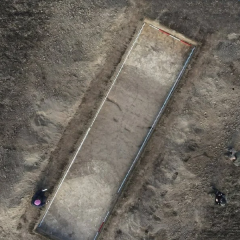
- The terrestrial excavation area covered 10 square meters, with a cultural layer approximately half a meter thick.
- Underwater digs uncovered archaeological materials about 12 meters from the island’s shore.
Researcher Juris Urtans suggested that
“this site may represent a previously unknown type of island settlement blending features of traditional terrestrial communities with those of lake dwellers.”
Urtans preliminarily dates the bone fishing spear between 8,000 and 11,000 years ago, placing it in the Middle to Late Mesolithic period based on comparisons with similar prehistoric tools.
Additional Discoveries and Their Impact
In a separate discovery in 2021, German scientists from Kiel University uncovered the remains of a man who died of plague around 5,000 years ago in Latvia. Genetic analysis identified this strain of Yersinia pestis-the bacterium responsible for the Black Death in the 1300s-as the oldest known to science. The individual was estimated to be about 20 years old at the time of death.
These archaeological findings significantly enhance our understanding of Latvia’s ancient past and its early inhabitants. The uncovering of prehistoric artifacts on Chepurite Island not only confirms early human presence in the region but also opens new avenues for research. Underwater excavations, in particular, offer valuable insights into how ancient peoples adapted to aquatic environments, potentially reshaping current perspectives on prehistoric life.

Read also