Bulgaria’s Presidential Election First Round: Yotova Takes Lead with 34.59%, Gyurov Close Behind at 32.03%

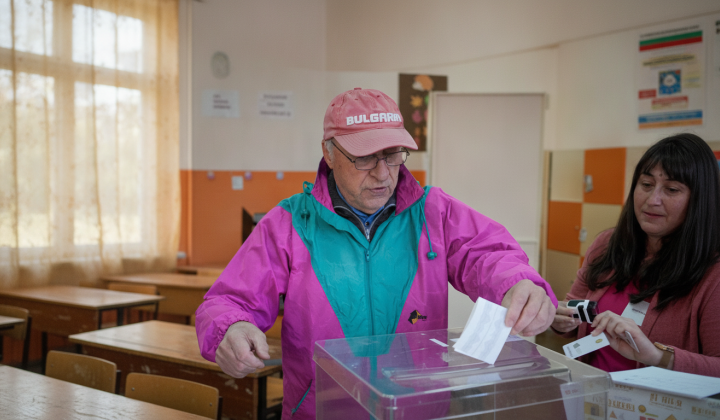
Overview of Bulgaria’s Presidential Election Results
According to Рубрика — Політика: The initial round of Bulgaria’s presidential election has concluded, with Iliana Yotova leading the race by securing 34.59% of the vote. Following closely is Andrey Gyurov, who received 32.03%, while Kostadin Kostadinov finished third with 12.62%. The gap between Yotova and Gyurov stands at just 2.56 percentage points. This election carries significant weight for Bulgaria’s future policies, especially concerning support for Ukraine amidst the ongoing Russian invasion and the rising cost of living, which have been central issues in the campaign.
Currently serving as acting president, Iliana Yotova was elected vice president alongside Rumen Radev in both 2016 and 2021. With Radev expected to step down in 2026, Yotova aims to succeed him as president. Notably, she opposes providing Ukraine with military aid. In contrast, Andrey Gyurov, an economist and former deputy governor of Bulgaria’s central bank, is backed by the pro-Western reformist opposition and has consistently expressed strong support for Ukraine. During his tenure as prime minister, Gyurov signed a security agreement between Bulgaria and Ukraine.
Candidates’ Political Stances
Kostadin Kostadinov leads the pro-Russian ultranationalist party "Vazrazhdane." The full-scale war in Ukraine, including combat operations in the Black Sea, alongside the surging cost of living, dominated the election discourse. According to Eurostat, Bulgaria’s annual inflation rate reached 5.6% in September, surpassing the Eurozone average of 3.8%. Additionally, fuel prices for personal vehicles in Bulgaria have surged by 42.2% over the past year.
It is important to highlight Bulgaria’s recent decision to halt funding lethal weapons for Ukraine through the European Peace Facility (EPF), opting to provide only non-lethal assistance. On July 8, Rumen Radev announced that Bulgaria can no longer supply Ukraine with military aid from its armed forces’ reserves due to depletion but remains willing to repair Ukrainian military equipment. Earlier in June, Defense Minister Dimitar Stoyanov confirmed Bulgaria would cease arms deliveries to Ukraine.
"The war in Ukraine will not be resolved on the battlefield" – Dimitar Stoyanov
This underscores the critical role political choices and international support will play in shaping the regional outlook. Bulgaria’s election results not only reflect public sentiment on domestic challenges but also signal the nation’s stance on foreign policy, particularly regarding the conflict in Ukraine.
The outcome of these elections could dramatically influence Bulgaria’s future approach to Ukrainian support, as the candidates’ views on military assistance diverge sharply. While Yotova aligns with the current administration’s reluctance to provide lethal aid, Gyurov advocates a clear pro-Ukraine position. Against a backdrop of rising inflation and economic hardship, the next president will face the complex task of balancing internal demands with external diplomatic responsibilities.
As the political landscape in Bulgaria continues to evolve, it is essential to consider the broader context surrounding the electoral process. Recent events, including a high-profile murder investigation involving a taekwondo official, have added complexity to the atmosphere leading up to the election. Such incidents may influence voter sentiment and the candidates' positions on critical national issues.

Read also