Ukraine’s Deepening Political Turmoil Amid War, Corruption Scandals, and Declining Public Trust

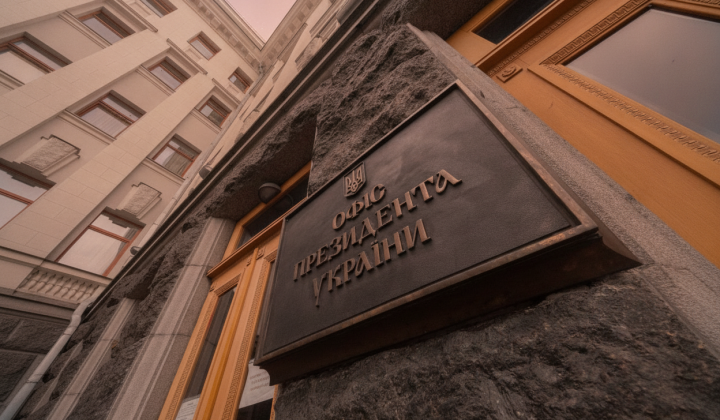
Ukraine Faces Growing Political Instability
According to 5 канал: Ukraine is confronting an escalating political crisis driven by ongoing war efforts and a series of corruption scandals. Potential paths forward include organizing elections once martial law is lifted or forming a government of national unity. Analyst Adrian Karatnytsky highlights that President Volodymyr Zelensky’s approval is waning due to decision-making becoming overly centralized and persistent corruption issues.
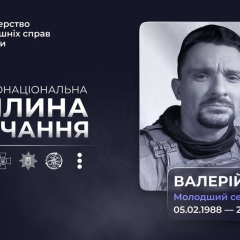
Since the start of the 9th convocation of the Verkhovna Rada, the mandates of 71 deputies have been terminated prematurely. Among these:
- approximately 50 resigned voluntarily,
- 12 died or were killed,
- 6 lost their mandates after losing Ukrainian citizenship,
- 3 were stripped of their positions following legally binding criminal convictions.
Such turnover reflects the fragile and unstable nature of Ukraine’s current political landscape.
Challenges of Elections and the National Unity Government Proposal
Holding elections during martial law is legally prohibited, complicating efforts to uphold democratic processes. An alternative approach could be the establishment of a national unity government, which would bring together representatives from diverse political parties alongside competent administrators. Karatnytsky notes that while this approach was once broadly accepted due to wartime conditions, it has begun to erode public confidence in leadership.
“The root of the problem lies in excessive centralization and the president’s reliance on a narrow circle of loyal officials,” Karatnytsky emphasizes.
The crisis is further intensified by declining morale among civilians and military personnel, as well as challenges related to mobilization and the heating season. Reduced trust in the government risks exacerbating these issues.
“Falling confidence in leadership could negatively impact societal and military morale and hinder mobilization efforts,” Karatnytsky warns.
Looking ahead, Karatnytsky forecasts limited public support for holding elections during the war, citing legal and practical obstacles. The alternative-a government reshuffle via a national unity cabinet involving various political factions and skilled managers-faces its own hurdles. He adds, “Zelensky appears reluctant to pursue the formation of a national unity government.”
To restore national cohesion and improve governance, Karatnytsky calls for increased pressure from Western allies and Ukrainian civil society. Such measures could be crucial steps toward resolving the political crisis and rebuilding trust in state institutions.
Ukraine’s current political climate underscores the complexity of managing a nation under siege and economic strain. Effective leadership and cooperation among political forces will be essential to maintaining stability and securing public confidence in government. Both strategies proposed by the analyst highlight the urgent need for open dialogue between authorities and citizens to find viable solutions out of this crisis.

Read also