Polish Court Jails Russian Spy for Plotting Against Zelenskyy


Pavel K. Convicted of Espionage
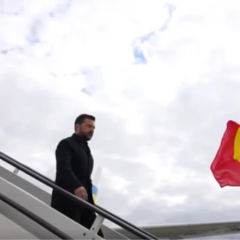
According to Главком: A Polish court has sentenced a 50-year-old citizen, Pavel K., to three and a half years in prison for spying for Russian intelligence. His activities included gathering intelligence on the Rzeszów-Jasionka Airport, a critical logistical hub for Western military aid entering Ukraine. The court found that the information he collected could have been used to plan an assassination attempt against Ukrainian President Volodymyr Zelenskyy. This case highlights the persistent threat of Russian intelligence operations targeting Ukraine's leadership and its international support network.
According to the investigation, Pavel K. expressed readiness to join a sabotage unit and cooperate with a specific department of Russia's military intelligence agency, the GRU. His arrest was the result of a coordinated operation between Ukrainian and Polish security services, demonstrating effective cross-border cooperation against espionage and terrorism.
Security Threats and International Cooperation
This is not an isolated incident; in 2024, Ukraine's Security Service (SBU) has already detained other individuals plotting against President Zelenskyy. Investigators believe that various methods for an attack at the Rzeszów-Jasionka Airport were considered, including the use of FPV drones and sniper rifles. This underscores the critical need for heightened security at such strategic locations, which are vital for sustaining Ukraine's defense efforts.
The conviction of Pavel K. is part of a broader trend of increased security measures across Europe, particularly in response to threats emanating from Russia. Amid the ongoing war in Ukraine, neighboring states are actively collaborating to prevent potential terrorist acts and espionage. This incident reinforces the necessity of continued vigilance and intelligence sharing among allies.
This case also underscores the importance of international cooperation in combating threats that could destabilize the wider region.

Read also