Starter Damage and Repair: Why Does It Happen?

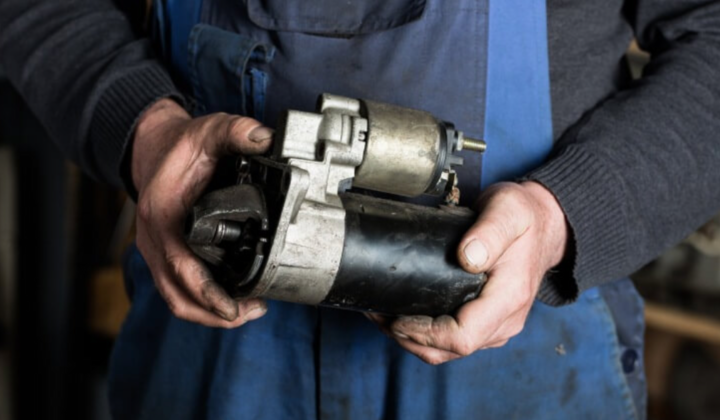
The starter is an electric device that is responsible for starting the internal combustion engine of the car. This means it is an important part of the engine, and without a properly functioning starter, the car simply won't run.
Damage to the starter is unavoidable, as the components wear out over time. However, this process is not as simple as it may seem. Proper starter repair should be quality and gradual, with an understanding of the causes and effects. Learn more about this at https://master.shop/remont-starteriv, where you can see how and why the repair of this component occurs.
Starter Damage: Main Causes
To begin with, the starter has several components. It has an electric motor that provides mechanical rotation, a relay, and a bendix. Each of these parts can fail. Despite being a fairly reliable mechanism, the starter can break down over time. And here’s why:
- The electrical contacts can oxidize or wear out due to prolonged use.
- The teeth of the bendix can wear out or break, preventing a reliable connection between the starter and the flywheel.
- In the case of worn bearings, the starter's electric motor can rotate with increased friction, complicating the operation of the system.
- The brushes that contact the motor's commutator wear out over time, reducing the efficiency of the starter's operation.
- The relay can fail due to internal damage or oxidized contacts, leading to the inability to engage the starter.
Some common signs of starter malfunction may indicate that the device requires repair:
- The starter does not respond when turning the ignition key.
- A clicking sound is heard during the starting attempt, but the engine does not turn over.
- The starter turns, but the engine does not start.
- The engine's rotation speed decreases during starting.
These signs are sufficient to check the starter.
Starter Repair: What You Need to Know About This Complex Process?
Starter repair requires certain experience. First, diagnostics are performed. This may include checking electrical contacts, testing the relay, and inspecting the starter's mechanical elements.
Then, the following takes place:
- After diagnostics, the starter needs to be disassembled.
- Replacing components.
- Cleaning the parts.
- After replacing and cleaning the parts, the starter is reassembled and tested.
In general, starter repair includes replacing worn components, cleaning, and testing. To prolong the life of the starter, regular maintenance is required, and it is important to monitor the condition of the electrical contacts carefully.