Germany's Ambassador Sparks Outrage in Moldova and Romania Over Language Remarks

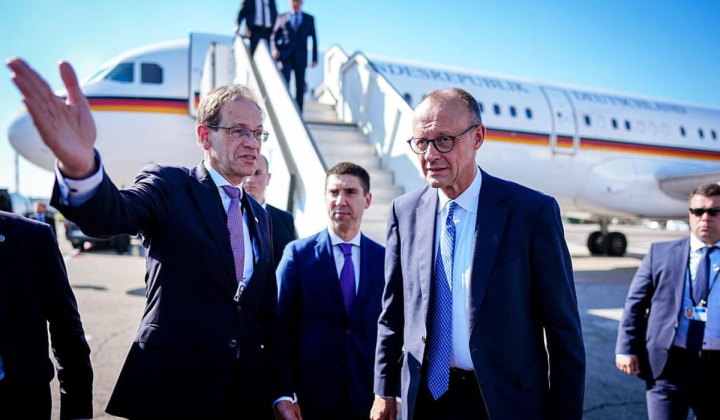
German Ambassador’s Comments Draw Sharp Criticism
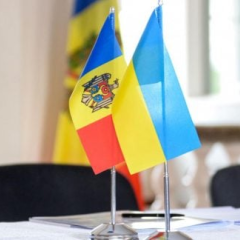
According to 5 канал: Hubert Knirsch, Germany’s ambassador to Moldova, has stirred controversy in both Moldova and Romania after claiming that the people of the two countries do not share a common language or religion. The remarks were made during an interview with Moldova’s Jurnal TV, where Knirsch also stated that only the citizens of Moldova and Romania could decide on any potential unification. Critics have accused him of denying the deep historical and cultural ties between the two nations and of echoing narratives promoted by Russia.
Reaction to Knirsch’s Statements
In response, Germany’s Foreign Ministry reaffirmed that unification is a matter to be decided solely by the sovereign states of Moldova and Romania. Romania’s embassy in Moldova dismissed the ambassador’s comments as baseless, emphasizing that there is no factual foundation for denying the shared history, language, and cultural heritage between the two countries. In Moldova, Romanian is constitutionally recognized as the official language, and Orthodox Christianity is the dominant religion in both nations.
Knirsch, who previously served at the German embassy in Moscow before his appointment in Moldova, has faced prior accusations of bias during his time in Georgia. In 2020, Georgian civil society organizations accused him of political favoritism toward the Georgian Dream party and its founder, Bidzina Ivanishvili. Former Romanian President Traian Băsescu weighed in on the controversy, calling Knirsch an “idiot.”
Dragoș Galbur, leader of the National Moldovan Party-which advocates for unification with Romania-also responded to the ambassador’s remarks, stating:
First is Russia, which occupied us for generations, deported us, starved us, Russified us, and terrorized us, and to this day supports pro-Russian parties, propaganda, and influence networks. - Dragoș Galbur
These events highlight the complex political landscape and ongoing tensions between Moldova and Romania, where questions of identity and shared history remain highly sensitive. The ambassador’s comments underscore the delicate nature of national identity and historical bonds between the two countries. They have not only triggered diplomatic pushback but also sparked broader debate about the role of external forces in the internal affairs of nations with intertwined histories. Amid growing regional tensions, the sensitivity of such issues is particularly significant in the context of European integration and the influence of Russian narratives on political developments in Moldova.

Read also