Planning Ukraine's Post-War Elections: The Military Vote and Civil Society's Stance

Organizing the Military Vote in Ukraine
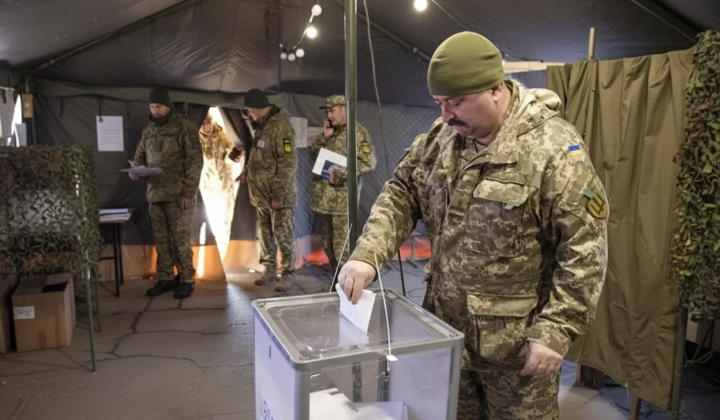
According to Главком: A working group tasked with preparing for Ukraine's first post-war elections is evaluating various methods for soldiers to cast their ballots, including the potential creation of special polling stations. Olha Aivazovska, Chair of the Board of the Civil Network 'Opora', has stated that the group is not currently giving serious consideration to implementing electronic or postal voting. This planning is crucial for ensuring democratic continuity as Ukraine looks toward its future after the conflict.
In the 2019 elections, Ukraine operated 85 special polling stations for military personnel, which saw nearly 100% voter turnout. Aivazovska emphasized that establishing such stations is directly linked to the execution of combat duties. She noted a fundamental contradiction in this approach, remarking:
“Setting up special polling stations is about fulfilling combat missions. Therefore, it somewhat conflicts with the concept of post-war elections. If military personnel are carrying out combat orders, it's likely that peace will not have been achieved by that time.”
Olha Aivazovska
A Growing Electorate: The Expanding Military Vote
A key consideration is the significant increase in the number of service members eligible to vote. 'When this category of voters grows substantially in size and there is a risk of having 850 polling stations instead of 85, this group becomes a very influential electoral force,' Aivazovska pointed out. She clarified that the goal is not to prevent military personnel from voting, but to enable them to do so in the freest possible manner.
Aivazovska further explained that conditions must be created to allow service members to be easily included in voter lists, obtain leave, and vote according to their own will. Importantly, she stressed that election commission members should not be military personnel, and the leadership roles (chair, deputy, secretary) should be filled by civilians. If candidates or political parties do not nominate individuals for these leadership positions, the Ministry of Defense should propose personnel from a list of service members working in the relevant military unit.
Consequently, the issue of organizing voting for military personnel remains pressing and requires thorough discussion to ensure proper conditions for this voter group's participation in post-war elections. The growing number of eligible military voters underscores the need to develop effective mechanisms for their inclusion in the democratic process, which could significantly influence election outcomes and the country's future political trajectory. The challenge lies in balancing security needs with electoral integrity in a nation rebuilding from war.
As Ukraine navigates the complexities of its post-war electoral landscape, it's essential to also consider how millions of Ukrainians living abroad will participate in these elections. The challenges they face, including access to voting and the establishment of procedures for overseas ballots, are crucial for ensuring that every voice is heard. For a deeper understanding of how these expatriates will cast their votes, read more about the measures being implemented for those outside the country in the upcoming elections.

Read also