Professional Deformation: What It Is, Signs, and How to Recognize It in Time


Professional activity occupies a significant part of a person's life, so it is natural that it influences not only skills but also thinking, behavior, and even emotional reactions. At a certain point, this influence can go beyond the norm and transform into so-called professional deformation.
This phenomenon gradually changes personality, forms stable behavioral patterns, and influences the perception of reality. This is especially often observed in areas with a high level of responsibility, stress, or constant interaction with people. Timely recognition of such changes is an important step in preserving mental health and professional effectiveness.
What is Professional Deformation
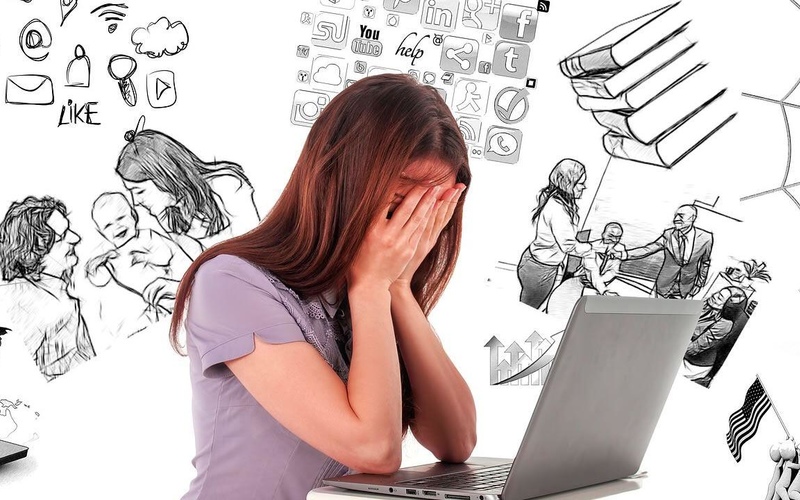
Professional deformation is a stable change in personal qualities, behavior, and thinking style of a person under the prolonged influence of professional duties. It manifests in transferring work behavior patterns to personal life, as well as narrowing the perception of the world through the prism of the profession.
This is not an instantaneous process, but a gradual accumulation of changes that over time become habitual. A person may not even notice that their reactions have become more patterned or rigid. For example, an employee who constantly makes decisions and controls others may start to behave the same way in personal communications.
It is important to understand that professional deformation is not always negative in nature. In the initial stages, it may even help to adapt to the profession. However, over time, excessive fixation on these changes leads to an imbalance between work and personal life.
Causes of Professional Deformation
One of the main causes is the prolonged influence of similar professional situations. When a person performs similar actions every day, their thinking becomes automated, reducing flexibility and adaptability.
The level of stress plays an important role. Working in conditions of constant tension, responsibility, or emotional burden contributes to the formation of protective mechanisms that over time become part of the personality. These can be emotional detachment, cynicism, or excessive control.
The professional environment is also a cause. If certain behavioral norms dominate in a team, the employee gradually adopts them. For example, in a high-competition environment, aggressive or closed behavior patterns may form.

Another important factor is the lack of balance between work and personal life. When the profession becomes a central part of identity, a person loses other social roles, increasing the risk of deformation.
Types of Professional Deformation
Professional deformation can manifest in various forms depending on the nature of activity. One common type is cognitive deformation, when thinking becomes narrow and focused only on professional tasks. A person begins to assess all situations through the prism of their work.
There is also emotional deformation, which manifests in reduced empathy, emotional coldness, or, conversely, excessive emotional reactivity. This is often observed in professions related to helping others or constant stress.
Behavioral deformation is characterized by changes in communication style and interaction with people. For example, excessive categoricalness, formality, or a tendency to control others even outside of work.
Another type is value deformation, when a person's priorities change. Work begins to dominate other areas of life, affecting personal relationships and overall sense of satisfaction.
Symptoms and Manifestations of Professional Deformation
The first signals may be changes in behavior and emotional state. A person becomes more irritable, loses interest in activities that previously brought satisfaction, or starts to avoid social contacts.

One of the key symptoms is the transfer of work roles into everyday life. For example, the tendency to control loved ones or evaluate people by professional criteria.
There is also a decrease in emotional sensitivity. A person may react formally or indifferently to events that previously evoked strong emotions.
Physical manifestations are also possible: chronic fatigue, sleep disturbances, reduced concentration. This indicates that the psycho-emotional load exceeds the resources of the body.
Another important symptom is the decrease in criticality towards one's own behavior. A person does not notice changes or considers them normal, complicating timely responses.
Consequences of Professional Deformation for the Employee
If one does not pay attention to the manifestations of professional deformation, it can have serious consequences. First of all, this is a decrease in quality of life. A person loses balance between work and personal life, leading to emotional exhaustion.
Social connections also suffer. Conflicts with loved ones, alienation, and difficulties in communication become frequent occurrences.
On a professional level, deformation can lead to a decrease in efficiency. The loss of flexibility in thinking, patterned decisions, and emotional burnout negatively affect the quality of work.
In the long term, this can contribute to the development of psychological problems, including anxiety states and depressive reactions. Therefore, it is important to pay attention to the first signs in a timely manner.
How to Prevent Professional Deformation
Preventive measures against professional deformation are based on maintaining balance between work and personal life. It is important to clearly delineate these areas and not to transfer work roles into everyday communication.
Regular rest is a key factor. Adequate sleep, changing activities, and vacations help restore resources and reduce stress levels.
Reflection is also useful - the ability to analyze one’s own actions and emotions. This allows timely recognition of changes and correction of behavior.
Social support plays an important role. Communicating with loved ones not related to professional activity helps maintain a broader perception of the world.
Additionally, it is worth developing self-regulation skills: managing stress, emotions, and attention. This increases resilience to professional pressures.
Thus, timely awareness of changes and active work on maintaining internal balance allows one to avoid the negative consequences of professional deformation and maintain a healthy psychological state.
Methods of Correction and Overcoming Professional Deformation
Correction of professional deformation requires a comprehensive approach, as it is not a one-time action but a gradual process of restoring flexibility of thinking and emotional balance. The first step is recognizing the problem. A person must acknowledge that certain behavioral traits or reactions have formed under the influence of the profession and have started to extend beyond its limits. Without this stage, any further changes will be superficial.
One of the most effective methods is the development of reflection. Regularly analyzing one’s own actions, reactions, and emotions helps identify automated behavioral patterns. This can be through keeping a diary, working with a psychologist, or participating in supervision, especially in professions of the “human-to-human” type.
Changing activities or at least partially diversifying it also plays an important role. Even within the same profession, it is worth seeking new tasks, approaches, or work formats. This helps reduce routine and expand cognitive capabilities. If the deformation already has a pronounced character, sometimes a temporary change of the working environment or even professional role may be advisable.
Equally significant is restoring the emotional resource. Relaxation practices, physical activity, hobbies, and social interaction outside of work help reduce tension levels. It is important that these activities are not related to professional duties, since it is exactly the change of context that promotes recovery.
An effective method is also the development of emotional intelligence. The ability to recognize one’s own emotions and the emotions of others, as well as to respond adequately to them, helps avoid extreme manifestations of deformation, such as emotional coldness or excessive reactivity.
In complex cases, it is worth seeking psychological help. Psychotherapy allows one to work more deeply on the causes of deformation, change destructive attitudes, and form new behavioral models. This approach is especially relevant when deformation is accompanied by burnout or other psychological difficulties.
Professional Deformation in Different Areas of Activity
The level and nature of professional deformation largely depend on the specifics of the activity. In the medical field, it often manifests as emotional detachment. Medical professionals have to face pain and suffering every day, so they form a protective mechanism in the form of reduced empathy. On the one hand, this helps to maintain performance, but on the other hand, it can affect the quality of interaction with patients.
In the educational sphere, deformation often manifests as a desire to teach and control even outside of work. Teachers get used to the role of a mentor, and therefore may transfer this model into communication with loved ones, which sometimes causes tension in relationships.

For representatives of law enforcement agencies, increased suspicion and rigidity in behavior is characteristic. The constant need to control the situation and assess risks forms a corresponding thinking style that may persist in everyday life.
In business and management spheres, there is often an orientation towards results at any cost. This can lead to reduced sensitivity to the needs of other people, as well as the formation of excessive control and perfectionism.
In creative professions, deformation may manifest as instability of emotional state or dependence on others' assessments. The constant need for self-expression and competition creates a specific psychological pressure that affects personality.
Thus, each field of activity has its own characteristics in the formation of professional deformation, but a common factor for all is the gradual nature of the changes and their impact on various aspects of a person's life.
Examples of Professional Deformation in Practice
In real life, professional deformation manifests quite noticeably, although the person themselves may not be aware of it. For example, a lawyer who is used to analyzing situations from the perspective of norms and rules may begin to evaluate personal conflicts as legal cases, losing the emotional component of communication.
Another example is a doctor who, in everyday life, responds to the complaints of loved ones too rationally, ignoring their emotions. Such behavior can be perceived as indifference, although in reality, it is the result of professional adaptation.
Leaders often demonstrate the habit of giving instructions even in informal settings. This can manifest in the desire to organize relaxation, control the actions of others, or make decisions for everyone.

Teachers may automatically switch to a teaching tone when communicating with friends or family. Over time, this causes fatigue in interlocutors and can deteriorate the quality of relationships.
Another common example is service sector workers who become so accustomed to service standards that even in personal life they act according to the template of 'client-service', reducing the sincerity of communication.
These examples demonstrate that professional deformation is not an abstract concept but really impacts daily life. Timely awareness of these changes allows one to correct behavior and maintain balance between professional and personal spheres.