Conducting Pest Control: Safety Measures and How to Prepare

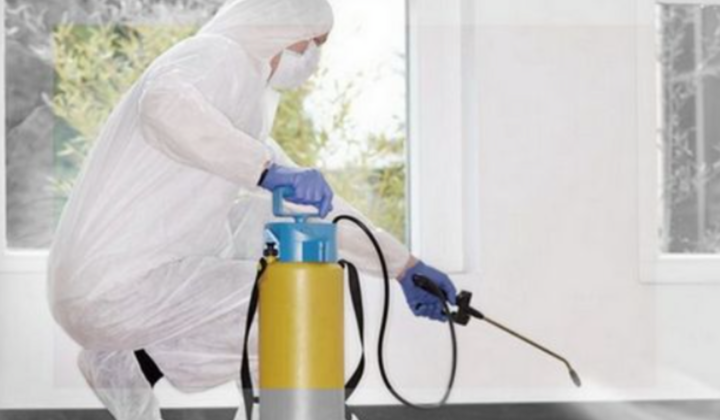
When pests or parasites appear in a house or any place requiring satisfactory sanitary conditions, the first thing to consider is conducting pest control of the premises.
Despite its name, pest control includes not only exterminating insects but also arthropods, other types of household parasites, and subsequent processing and prevention measures.
Why Pest Control is Needed, Its Types
Pest control can be prophylactic and aimed at destroying pests that have already settled.
Prophylactic pest control helps create conditions in which potential harmful insects, arthropods, or rodents cannot exist or simply will not want to appear there. This includes both harmless methods for humans-cleaning, sanitizing surfaces-and complex comprehensive measures that require special skills and knowledge.
Pest control aimed at exterminating insects and arthropods directly combats pests using methods of trapping, repelling, or extermination.
Features of Different Pest Control Methods
Several methods are used for pest control, and they can be combined as needed.
By nature, the following methods of pest control are distinguished:
- physical;
- mechanical;
- chemical;
- biological.
Physical methods include wet or dry treatment at high temperatures, boiling items, and treatment with ultraviolet radiation. These methods are relatively safe and suitable for use in apartments and other premises without affecting the quality of living conditions for humans.
Mechanical methods are considered basic and are aimed more at preventing the appearance of harmful insects and arthropods rather than directly combating them. This includes the installation of mosquito nets, sealing holes and cracks, hanging adhesive tapes, and cleaning.
Chemical methods involve the use of various poisons. Pest control agents differ in their toxicity, form of release, and purpose-poison for one type of insect may prove ineffective for another.
Biological methods involve using natural enemies of insects and spiders-birds and other animals that can be part of their diet, as well as toxic strains of microorganisms and types of fungi for pests. This service is not used in enclosed objects as it requires ample space and free air circulation.
Selecting the Appropriate Pest Control Method
When selecting the appropriate pest control method, specialists consider the characteristics of the object, the scope of services, and the types of exterminated insects.
There are several factors to consider:
- Type and purpose of the object. For small premises, the use of biological methods is unacceptable as they can harm the structure itself and those who will be there afterward. For residential properties, chemical pest control methods may also not be suitable, as certain pest types use toxic agents that require residents to stay out of the treated living spaces for a long time.
- Scope of work. Pest control services for several types of pests can be performed using one universal method suitable for all identified insect types.
- Type of insect. For some species, physical methods show the highest effectiveness, while the extermination of others is only possible through chemical treatment of the area.
The choice and combination of methods for effective pest control are carried out exclusively by specially trained specialists.
Get Rid of Insects Safely
Pest control measures require special training and knowledge, as conducting them using some methods can be dangerous for an inexperienced person.
Follow safety measures during pest control and strictly adhere to the instructions of the people conducting it.