Putin Orders State Duma Elections in Occupied Ukrainian Regions

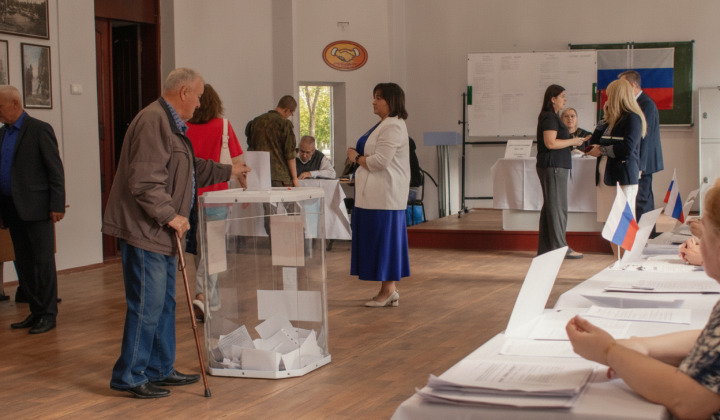
Elections for the State Duma
According to Главком: On June 16, Russian President Vladimir Putin signed a decree calling for elections to a new convocation of the State Duma. Voting is scheduled for September 20, 2026. The process will fill 450 parliamentary seats, and for the first time, the Kremlin intends to hold these elections in Ukraine’s temporarily occupied territories.
The decree, effective from the date of its official publication, stipulates that the new Duma will consist of 450 deputies. Half of these seats-225-will be allocated through party lists, while the other 225 will be elected in single-mandate districts.
Involvement of Temporarily Occupied Areas
A key feature of the upcoming vote is the planned inclusion of Ukraine’s temporarily occupied territories, specifically the so-called LNR and DNR, as well as occupied parts of Zaporizhzhia and Kherson regions. Moscow aims to incorporate seven deputies from these areas into the State Duma. The final candidate list is not expected until the party congress on June 28.
Additionally, the State Duma has passed a law banning the deportation of foreign nationals who have signed contracts with Russia’s Ministry of Defense and taken part in combat operations, including the war against Ukraine. This move underscores the Russian government’s active efforts to regulate foreign involvement in conflicts within Ukraine.
A political strategist working with United Russia in the regions noted that the situation is complex and critically important for the future of Russia’s political process. As the elections approach, public attention will focus on how the inclusion of deputies from the temporarily occupied territories is implemented.
The planned State Duma elections, which include deputies from Ukraine’s temporarily occupied territories, highlight the Kremlin’s intent to legitimize the occupation of these regions on an international level.
Such actions are likely to provoke a strong backlash from Ukraine and the international community, as they violate principles of territorial integrity and sovereignty. As we monitor developments, it will be crucial to assess their impact on political sentiment within Russia and the responses from other nations.
As the upcoming elections draw near, the political landscape in Russia is becoming increasingly precarious. The situation is further complicated by internal challenges facing United Russia, which may impact the integration of deputies from occupied Ukrainian territories into the State Duma. This development underscores the intricate dynamics at play as the Kremlin seeks to assert its influence amidst growing instability.

Read also