Putin's bet on a weak West backfired, Trump's ex-security adviser says

A Miscalculated Bet on Western Weakness
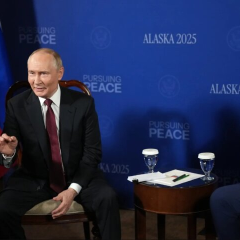
According to ХВИЛЯ: Herbert McMaster, who served as Donald Trump's national security adviser, says Russian President Vladimir Putin misjudged how fragile the West was. The Kremlin, he argues, expected Europe to remain fragmented and incapable of coordinating a joint response, but reality did not match that picture. EU countries' defense budgets have almost doubled over the past five years, reaching 392 billion euros by 2025. Kyiv has also received a credit line worth 90 billion euros, and NATO plans to spend around 70 billion euros on weapons for Ukraine this year.
Kremlin Plans and What Followed
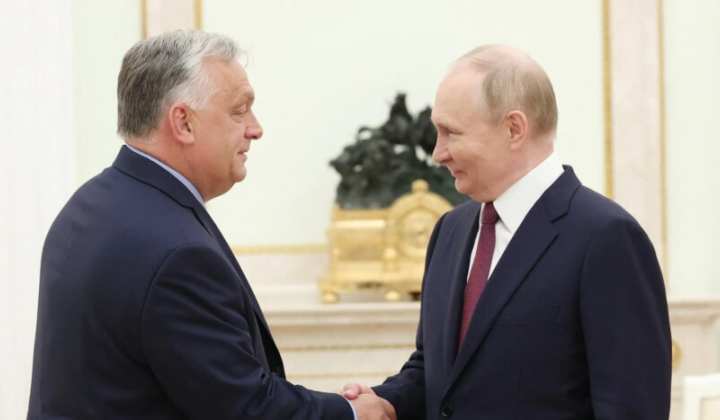
McMaster told The Global Gambit that Moscow was counting on allied puppets like Hungarian Prime Minister Viktor Orban, wanted to influence Slovakia's elections, and sought to interfere in Romania's political landscape. He also recalled the Balkan wars of the 1990s, when European states could not respond quickly enough and U.S. forces had to intervene.
In his view, the Kremlin's ambitions go well beyond Ukraine and amount to rebuilding the Russian empire.
“Everything is turning out very badly for Putin right now, because Europe stepped up in a way he didn't expect. He saw the West as weak, degraded, and divided. Maybe we are degraded and divided, but we are not as weak as he assumed,” the former adviser said.
These comments highlight rising concern about Russia's next steps and the need for Europe to strengthen its own defenses.
The remarks add to a wider debate in Western capitals over how to deter Russian aggression while sustaining support for Ukraine. McMaster's assessment underscores the importance of Western unity, especially as tensions grow. Higher defense spending and continued backing for Ukraine show that Western countries are prepared to resist Russian pressure, with possible long-term consequences for European security and global politics. That dynamic could also change how Russia deals with Western states and tilt the regional balance of power.

Read also