Putin Admits Drone Breaches, Offers Air Defense Expertise to China and India

Remarks at the St. Petersburg International Economic Forum
According to Главком: During the St. Petersburg International Economic Forum (SPIEF), Russian President Vladimir Putin declared his willingness to share air defense (AD) expertise with China and India. This statement came amid a wave of attacks on Russia's oil infrastructure in April and May 2026. Putin conceded that some enemy drones manage to hit their targets on Russian soil, stating, 'Unfortunately for us, some of them break through.'
In his speech, Putin described Ukraine's air defense as 'fragmented elements that are catastrophically insufficient' for effective protection. He emphasized that 'Kyiv simply does not have such a system at all.' These comments were made against a backdrop of mounting pressure on Russia's oil sector, which has faced at least 21 Ukrainian strikes targeting refineries and maritime terminals.
Military Challenges and Economic Strain
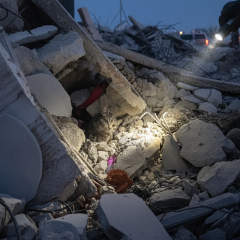
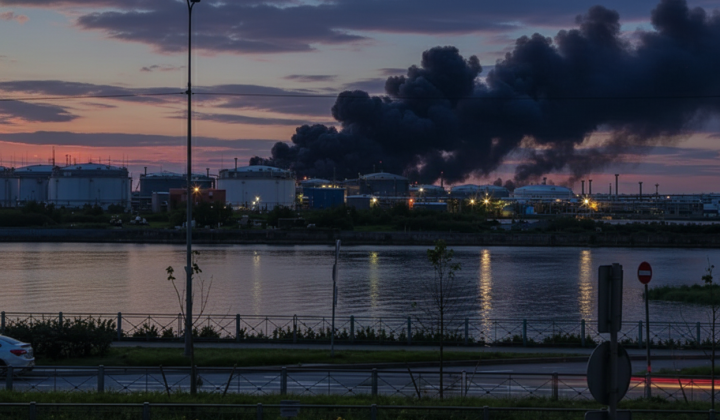
The context for Putin's remarks includes events from April and May 2026, when the Kirishinefteorgsintez refinery halted oil processing after three of its four units were disabled. Russia's oil refining volumes dropped to 4.69 million barrels per day, the lowest since 2009. On the night of June 3, 2026, drones struck the St. Petersburg oil terminal in Ugolnaya Harbor, causing a fire just a few kilometers from the SPIEF venue.
The forum served as a platform to address not only economic issues but also the military challenges facing Russia. Putin acknowledged that Western backers supply a large number of drones of various types, including long-range models. In 2026, Russia admitted for the first time to a reduction in oil production, reflecting deep-seated problems in its energy sector.
Putin's statements at SPIEF highlight the serious challenges Russia faces amid intensifying pressure from Ukraine and the international community. Offering air defense expertise to China and India may signal Moscow's efforts to strengthen military ties with these nations in the face of growing threats.
At the same time, the decline in oil refining output and the acknowledgment of energy sector issues point to economic difficulties that could have long-term repercussions for Russia on the global stage.
As the situation evolves, recent developments highlight the complexities surrounding Russia's military stance and its geopolitical implications. In a related context, Putin has signaled an end to the conflict in Ukraine, indicating a potential shift in diplomatic relations that could influence regional security dynamics. Understanding these interconnected events is crucial for grasping the broader implications of Russia's military and economic challenges.

Read also