Tusk Held Accountable for Ukrainian Assault by Polish President's Spokesperson

Response to Wrocław Assault on Ukrainian Couple
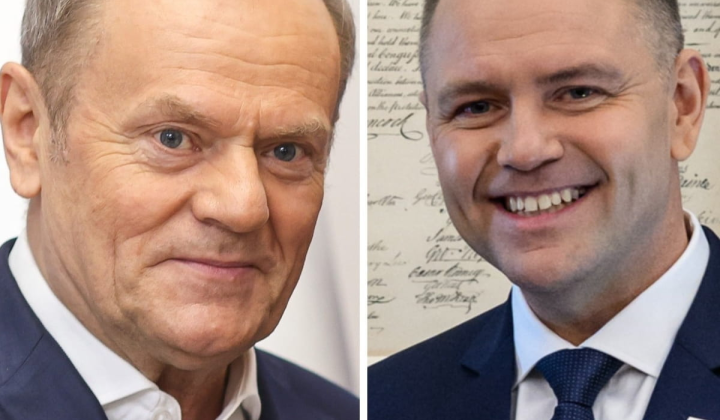
According to 5 канал: Rafał Leskiewicz, the spokesperson for Poland's President, replied to Prime Minister Donald Tusk's demand for a condemnation of the attack on a Ukrainian couple in Wrocław by placing responsibility for street safety on the government. The assault unfolded when three men beat the Ukrainians after recognizing their accent as Ukrainian. The victims sustained concussions and cuts; the woman suffered a neck laceration and received medical care. Leskiewicz argued that accountability for security lies with Prime Minister Tusk and his ministers-Kierwiński, Siemoniak, and Żurek.
Leskiewicz stated that President Karol Nawrocki supports a firm response to any aggression, irrespective of the victim's nationality. He emphasized that Nawrocki will not reply to every Tusk statement, remarking:
“The president will not respond to every political attack by the prime minister, as he uses any opportunity to attack the president.”
Leskiewicz also highlighted the need to combat aggression, declaring:
“Government officials have all the tools to fight pathologies, whether physical or verbal aggression, which have been increasingly seen recently.”
Broader Social and Political Context
In contrast, Polish government spokesperson Adam Szłapka contended that the surge in violence against Ukrainians stems from the rhetoric of the Law and Justice (PiS) party and the United Right camp, which have fostered an atmosphere of impunity and given society “permission to hate.” Donald Tusk demanded that Nawrocki publicly condemn violent acts, particularly the Wrocław attack. Two suspects in the case have already been remanded in custody by a Polish court.
Leskiewicz reiterated that all forms of aggression warrant condemnation:
“Any form of aggression deserves condemnation, and every act of aggression-both physical and verbal-must be punished.”
He urged Tusk to prioritize demanding daily work instead of political maneuvering, labeling the prime minister as a “master of manipulation.”
Overall, the attack on the Ukrainian couple reveals deep-seated social and political problems in Poland that require urgent resolution. This incident may indicate growing tensions in Polish society, where the messaging from certain political factions can shape public attitudes toward national minorities. It has drawn attention both within Poland and internationally, underscoring the need for more active dialogue across social groups and political leaders to prevent similar occurrences. This episode highlights the broader challenge of integrating refugees and combating hate speech in a polarized environment.
As tensions rise over the recent assault in Wrocław, it's essential to explore the broader implications of political rhetoric on societal behavior. Notably, Yushchenko's call for collaborative efforts with Tusk highlights the need for addressing historical grievances that may contribute to current violence. Understanding this context could provide insights into the underlying issues fueling such incidents.

Read also