Petraeus: Russia's Reserve Cushion May Be Gone by 2026

Looking at Russia's Wartime Economic Vulnerabilities
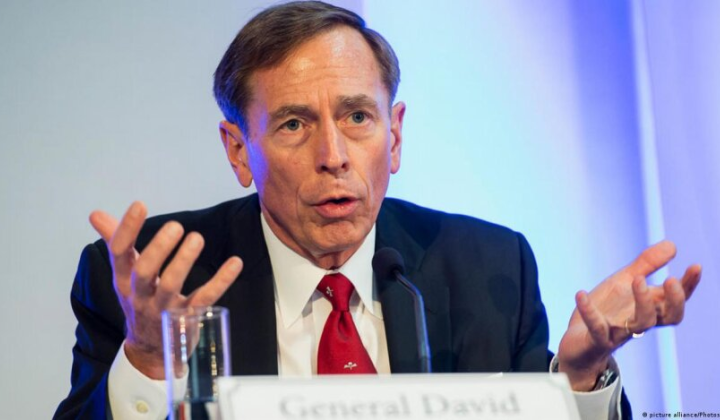
According to ХВИЛЯ: David Petraeus, who once led U.S. forces in Iraq and Afghanistan and later served as CIA director, has offered an economic assessment stressing a major Russian vulnerability in the ongoing war. In his view, Moscow has no access to loans from the International Monetary Fund, the World Bank, or international capital markets. That leaves the Kremlin with a stark dilemma: halt the fighting or risk an economic meltdown. For those tracking the conflict, this makes Russia's financial sustainability a crucial issue.
By February, the liquid portion of Russia's National Wealth Fund had fallen to 1.6% of GDP, its lowest level since 2008. Analysts at the Russian Presidential Academy of National Economy and Public Administration (RANEPA) and the Gaidar Institute have warned that if oil prices remain low, this liquidity buffer could be entirely depleted by 2026. Petraeus also invoked Ukrainian intelligence projections indicating that running out of money would weaken Russia's capacity to manufacture drones and missiles.
How Economic Pressure Could Reshape Russia's Strategy
He argued that a mixture of devastating battlefield losses, consistent Western financial support for Ukraine, strains on Russia's wartime economy, and sanctions-including a package championed by Lindsey Graham-creates the conditions to push Moscow toward peace.
"One can no longer dismiss the possibility that all this pressure will convince Putin he simply cannot continue. The alternative is economic collapse. He cannot turn to the IMF or global financial markets for a bridge loan to carry him through the rest of the war." David Petraeus
Ultimately, Putin faces only two paths: end the war or confront an economic collapse with no one in the world willing to lend to him. This analysis underscores how economic leverage can shape the course of a modern military conflict, especially under broad sanctions and international isolation. Being cut off from external financing may sharply constrain a country's military reach, potentially forcing its leadership to rethink how it wages war. Combined with Western pressure and domestic fiscal strain, those constraints could alter Russia's foreign policy calculations, notably regarding its invasion of Ukraine.

Read also