Russia's Use of Chemical Weapons: Over 12,000 Attacks with CS and CN Agents

Russia's Deployment of Chemical Weapons
According to Главком: Since the start of its full-scale invasion, the Russian Federation has been documented using dangerous chemical substances in over 12,000 separate incidents. In January 2026 alone, 224 cases were recorded where specialized munitions containing chemical irritants were deployed. The Russian military has employed K-51 and RG-VO gas grenades, which are loaded with CS and CN agents. This practice is a clear violation of international law, as Article 1, Paragraph 5 of the Chemical Weapons Convention explicitly prohibits the use of such chemicals as a method of warfare.
Consequences of Deploying Hazardous Chemical Agents
The K-51 and RG-VO grenades used in the conflict are riot control devices. While CS and CN agents are legally authorized for use by law enforcement in peacetime in some countries, their deployment on the battlefield is both illegal and dangerous. Their intended purpose is to temporarily incapacitate military personnel, which breaches international norms and poses a direct threat to the life and health of Ukrainian Defense Forces soldiers.
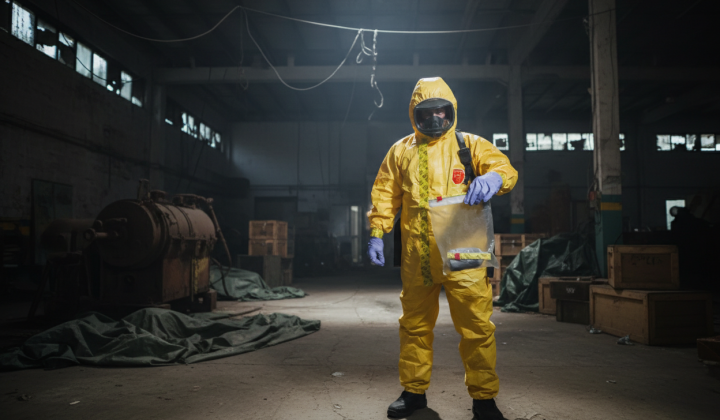
According to Ukraine's General Staff, units from the Armed Forces' Radiation, Chemical, and Biological Protection troops are systematically documenting each instance of these hazardous chemical weapons being used. Collected samples are sent for forensic examination. The General Staff notes that battlefield use of these substances causes severe irritation to the mucous membranes of the eyes and respiratory tract, leading to symptoms like tearing, coughing, choking, disorientation, and temporary loss of combat effectiveness.
On the international stage, Ukraine, Slovakia, and Slovenia were elected to the Executive Council of the Organisation for the Prohibition of Chemical Weapons (OPCW) for the 2026-2028 term. This election underscores Ukraine's active role in the global effort to control chemical weapons and uphold international standards, even as it defends itself against their use.
The use of chemical weapons in this conflict highlights grave breaches of international law and endangers the health of service members. Ukraine's engagement with international bodies like the OPCW demonstrates its commitment to combating such crimes. These actions are likely to influence both the future security situation in the region and the international response to Russia's aggression.

Read also