The Best City in the World: Ranking of the Best Places to Live

The best cities to live in can depend on many factors. Different countries have different conditions, social and economic characteristics. Therefore, there is no single universal answer to the question of which city can be called the best in the world.
For some, decisive factors might be high salaries and career opportunities, for others it is safety, accessible healthcare, good schools, transportation, or a peaceful pace of everyday life.
What Criteria are Used to Determine the Best Cities in the World
Housing prices, ecological situation, cultural environment, accessibility of public transport without a car, and overall convenience of urban infrastructure also play a significant role. This is why international rankings assess not just one characteristic, but an entire set of indicators.
In global lists of the best cities, London, Paris, New York, Tokyo, Singapore, Copenhagen, Vienna, Zurich, Melbourne, and Amsterdam regularly appear. They differ greatly in size, economy, culture, and lifestyle, but each has strengths that make it attractive to a certain category of residents. Some cities are particularly favorable for international careers, while others offer social guarantees, and yet others provide exceptional levels of urban organization.
At the same time, a ranking position does not mean that a specific city will be the most convenient for every person. Rental costs, taxes, climate, language environment, employment regulations, and distance to family can drastically change the final choice.
City evaluations usually cover economic, social, infrastructural, and cultural indicators. It is important not only how developed the economy is, but also how its advantages are felt in everyday life. A city may have a high GDP and prestigious companies, but at the same time be extremely expensive for housing rentals. Conversely, another city may lag behind in business scale but offer a better balance between work, leisure, and family life.
The main criteria include:
- level of the economy and number of jobs;
- average income and purchasing power of the population;
- housing costs and daily expenses;
- safety and crime rate;
- accessibility and quality of healthcare;
- education system and opportunities for professional development;
- public transport and state of urban infrastructure;
- ecology, green spaces, and air quality;
- cultural life, restaurants, museums, theaters, and events;
- digital services and technological development;
- opportunities for foreigners, entrepreneurs, and students;
- balance between work and personal life.
International attractiveness is also taken into account. A city may be an important financial, technological, political, or cultural center and thus attract people from different countries. Such an environment is characterized by international companies, universities, professional communities, a large number of foreign residents, and a wide range of services.
Equally important is the city’s accessibility. A good transport system reduces travel time, and a developed network of railways, subways, buses, and air connections enables quick movement within the country and abroad. For families, schools, kindergartens, medical facilities, and safe neighborhoods are essential. For young professionals, salaries, universities, start-up environments, and career advancement opportunities often come to the forefront.
Thus, the concept of a city's quality consists of many indicators. This is why different international rankings can place the same cities in different positions: methodologies differ, and the weight of individual criteria may not be uniform.
The Best Cities in the World
There is no universal ranking that definitively determines the best city on the planet. Various studies use their own methodologies, so the composition of the top ten can change. However, there are cities that have remained among the world leaders for a long time due to a combination of economic strength, infrastructure, culture, education, and quality of life.
London
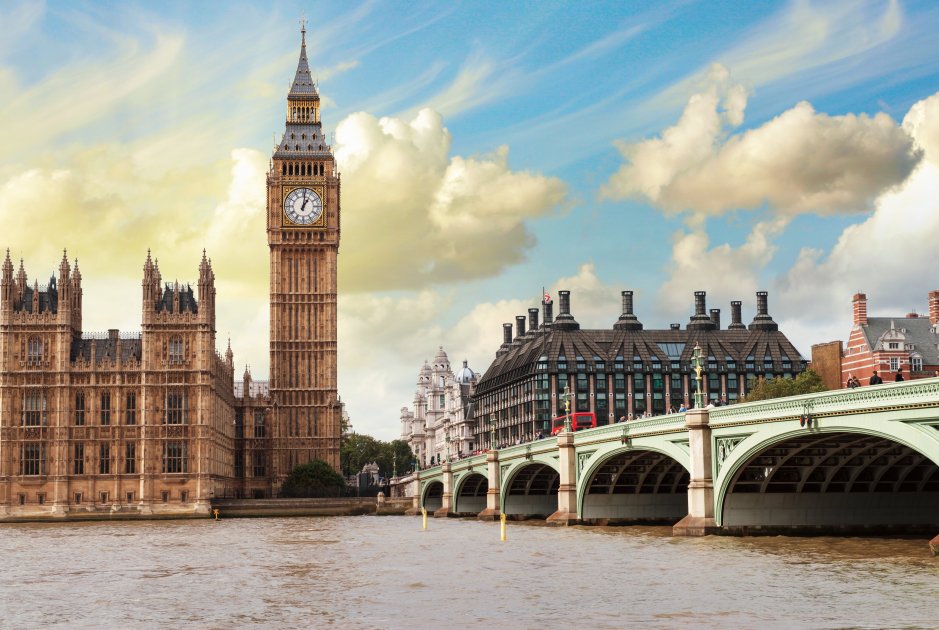
London remains one of the most influential cities in the world and one of the main centers of international business. In the capital of Great Britain, offices of large financial groups, law firms, technology companies, media organizations, and multinational corporations are located. This is why the city has a massive labor market for specialists in finance, IT, consulting, marketing, law, science, and creative industries.
A strong point of London is its scale of choice. Numerous universities, schools, museums, theaters, concert venues, and professional communities operate here. The London Underground, railway system, and bus network allow for city travel without constant use of a car. For international residents, the multicultural nature of the capital is also important: cultures and cuisines from around the world are represented in the city.
At the same time, London has a significant drawback: the high cost of living. This primarily concerns housing rentals in central districts. Even a good salary does not always mean the ability to save money quickly, especially at the beginning of a career. In addition, transport, food, and service costs contribute to the overall expense.
Despite the high price, London remains one of the best options for people who need access to the global job market. This city is particularly suitable for those willing to exchange a degree of financial comfort for broader professional opportunities, an international environment, and a vibrant cultural life.
Paris
Paris combines the status of a major European economic center with an exceptional cultural heritage. The French capital is known for fashion, art, gastronomy, architecture, and tourism, but its economic significance is much broader. Here are the headquarters of large companies, financial institutions, international organizations, universities, and research centers.
For living, Paris is attractive due to its well-developed public transport network. The metro, suburban trains, buses, and other forms of urban mobility allow people to not necessarily use a car daily. In many neighborhoods, everyday shops, cafes, schools, and services are located at a short distance from housing, supporting the city's characteristic pedestrian lifestyle.
Paris has special advantages for professionals in fashion, design, art, advertising, gastronomy, tourism, and international business. The city also remains an important educational center. For foreigners, international programs and opportunities to build professional contacts in one of the most famous cities in Europe are appealing.
Among the challenges are high housing prices, population density, and significant transport pressure during rush hours. Some neighborhoods differ greatly in terms of comfort, so choosing a place to live is very important. Paris is best suited for people for whom the cultural environment, professional prospects, and urban activity are more important than absolute quiet and low expenses.
New York
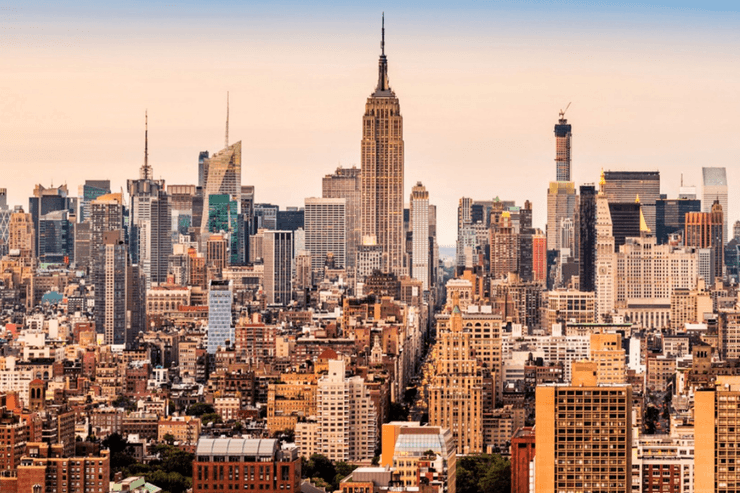
New York is one of the main economic and cultural centers of the planet. The city has strong positions in finance, media, technology, advertising, fashion, healthcare, and services. It is home to the stock exchange, offices of international companies, world-class universities, major hospitals, and numerous cultural institutions.
A huge advantage of New York is the concentration of opportunities. One can change companies, industries, and professional directions without leaving the urban agglomeration. This is particularly important for young professionals and entrepreneurs. The New York environment fosters competition and rapid professional development.
Public transport is one of the key elements of urban life. A sprawling subway system allows residents of many neighborhoods to get by without a car. However, the high density of buildings, intense traffic, and fast pace of life can be challenging for those who prefer a quieter environment.
The main downside remains the high cost of housing. Renting in popular areas can take a significant portion of one’s income. Medical expenses and general service costs are also significant. Despite this, New York remains extremely attractive for careers, entrepreneurship, and international contacts.
Tokyo
Tokyo demonstrates how a huge metropolis can combine technological development with a high level of organization in everyday life. The capital of Japan is one of the leading centers of electronics, automotive industry, finance, science, entertainment, and innovation. The city has a strong economy and a large job market.
One of Tokyo's strongest points is its transport. The railway system covers a vast territory, and routes operate with high regularity. For a resident, this means the ability to plan trips without constant reliance on a car. The city is also known for its high level of organization, cleanliness, and attention to public spaces.
Tokyo offers a wide range of restaurants, shops, cultural events, and educational opportunities. Alongside modern technologies, traditional districts, temples, gardens, and cultural practices are preserved. This combination makes the urban environment very unique.
For foreigners, a language barrier may pose some difficulties, and Japanese work culture may not suit everyone. Additionally, housing in central areas can be expensive, and apartment sizes are often small. However, for professionals in technology, engineering, science, and international business, Tokyo remains one of the strongest options.
Singapore
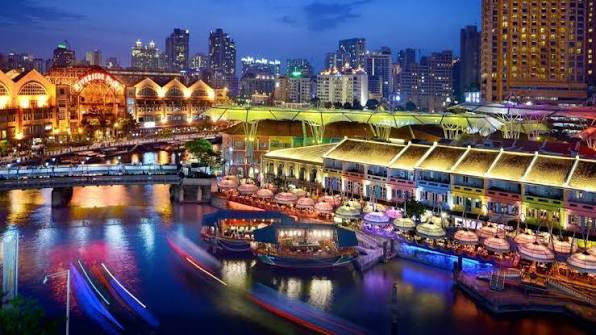
Singapore is a compact city-state that has transformed into one of the leading financial, logistical, and technological centers in Asia. Its strengths include effective government management, modern infrastructure, high security levels, and a developed economy. The city actively attracts international companies and specialists.
Singapore is especially attractive for workers in the financial sector, technology, logistics, pharmaceuticals, and international trade. English is widely used in business and education, making adaptation easier for many foreigners.
Urban transport is well organized, and neighborhoods have access to shopping centers, schools, medical facilities, and public spaces. High safety is another important advantage, especially for families.
At the same time, Singapore is expensive to live in, especially regarding renting good housing. The climate is hot and humid year-round, which also requires adaptation. Life here is more oriented toward order, work, and efficiency than the slower European pace.
Copenhagen
Copenhagen is often seen as a model city where infrastructure works for the comfort of residents. The Danish capital is known for its cycling culture, quality public transport, safe streets, and attention to the urban environment. For many residents, bicycles are not just a sporting pursuit but a standard mode of transportation.
A strong point of Copenhagen is balance. The city has a developed economy and a modern labor market, but it does not create the sense of constant hustle like some megacities do. Green areas, waterfronts, public spaces, and accessibility of everyday services are significant.
Denmark has a strong social model, and the quality of public services contributes to an overall sense of stability. For families, education, healthcare, and safety are essential. For professionals, the international environment and the chance to work in companies with modern corporate culture are key factors.
A downside can be the high cost of living. Additionally, a climate with cool and dark winters may not suit everyone. However, Copenhagen is a strong choice for those seeking a mix of work, social stability, ecological friendliness, and convenient urban infrastructure.
Vienna

Vienna has long had a reputation as a city with a very high quality of everyday life. The Austrian capital combines a developed transport system, cultural heritage, green areas, access to education, and medical services. At the same time, the city does not have the same scale and pace as London or New York.
One of Vienna's main advantages is its public transport. The metro, trams, and buses cover a significant part of the city, and moving without a car is quite convenient for many residents. A large number of parks and public spaces make the city comfortable for families.
Vienna has a strong cultural environment. Opera theaters, museums, concert halls, historical buildings, and regular cultural events create a unique atmosphere. Simultaneously, the city remains an important administrative, economic, and educational center of Central Europe.
The job market here is smaller than in London or New York, and for many professions, knowledge of German significantly broadens opportunities. However, regarding urban convenience, safety, transport, and cultural environment, Vienna remains one of the most balanced options.
Zurich
Zurich is one of the most economically strong and financially stable urban centers in Europe. Banking, insurance, technology, pharmaceuticals, and professional services are well developed here. High incomes and a stable economy make the city attractive for qualified specialists.
A particular advantage of Zurich is the combination of significant economic potential with a compact scale. Working districts are easily accessible by public transport, and nearby are lakes, green areas, and natural landscapes. The high level of cleanliness and organization complements the overall picture.
The city has good universities, research centers, and opportunities to develop high-tech fields. High salary levels compensate for some costs but not fully. Zurich is among the most expensive cities in Europe, and housing may be particularly challenging for those with average incomes.
For foreigners, it is essential to consider the language environment and the rules of the Swiss job market. Despite this, Zurich is very attractive for financiers, engineers, IT specialists, scientists, and pharmaceutical sector specialists.
Melbourne
Melbourne stands out for its combination of vibrant urban life, cultural diversity, and relatively calm atmosphere. The Australian city has a strong position in education, healthcare, technology, business, and creative industries. Renowned universities and research institutions operate here.
The city is known for its coffee culture, restaurants, music events, sports competitions, and festivals. The diverse population creates an international environment where foreigners find it easier to find communities based on interests.
Melbourne has a well-developed public transport system and many parks. For families, schools, universities, and medical institutions are significant. At the same time, Australia is geographically distant from Europe, which may be a considerable disadvantage for those who want to visit Ukraine or other European countries frequently.
Housing in Melbourne can also be expensive, especially in areas with good transport accessibility. However, the overall combination of education, work, cultural life, and natural environment makes the city attractive for long-term residence.
Amsterdam
Amsterdam is known as one of the most convenient cities in Europe for cycling. However, its appeal is not limited to transport. The Dutch capital has a strong economy, international business, a technology sector, universities, and a significant number of international companies.
Cycling infrastructure, compact central districts, and developed public transport enable many residents to not own a personal car. Canals, parks, and thoughtful use of public spaces play a significant role.
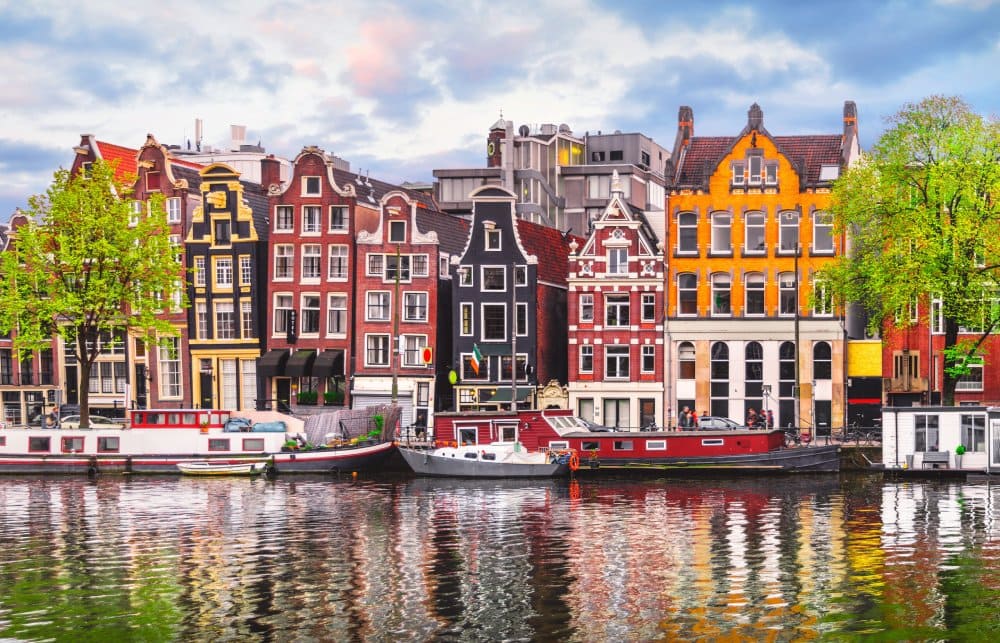
Amsterdam is particularly popular among specialists in technology, finance, design, marketing, and international trade. English is widely used in the professional environment, which eases the starting point for foreigners. The city also has a strong cultural scene and numerous museums and events.
The main issue is a housing shortage and high rental prices. Competition for apartments can be significant, and the city's popularity increases the load on infrastructure. Thus, Amsterdam is particularly attractive for those who value an international environment, mobility, an active lifestyle, and a modern economy.
Which City is Best for Living, Working, and Studying
Choosing the best city depends on the purpose of the move. For careers in finance, international business, and large corporations, London, New York, Zurich, and Singapore remain especially strong options. Here, major companies, professional networks, and job openings for highly qualified specialists are concentrated.
For studying, it is important to evaluate not only the reputation of the university but also the cost of education, housing, the possibility of receiving scholarships, student residency conditions, and employment prospects after completing education. In this context, Tokyo, London, Melbourne, Paris, Amsterdam, and Vienna hold strong positions, but the conditions for foreigners vary significantly.
For families, safety, schools, healthcare, transportation, and housing accessibility become crucial. Based on these parameters, Vienna, Copenhagen, Zurich, and Singapore can be particularly attractive. If the main criterion is an active urban life, culture, and a wide choice of professional opportunities, Paris, London, and New York have more advantages.
For someone working remotely, the set of criteria will be different. Important factors are internet speed, quality of housing, cost of everyday expenses, climate, accessibility of cafes and coworking spaces, transport, and rules for foreigners. In this case, the prestige of the city as a financial center does not always have decisive significance.
Cities can be roughly considered as follows:
- for a global career-London or New York;
- for finance and high incomes-Zurich;
- for technology and Asian business-Singapore or Tokyo;
- for family life-Vienna or Copenhagen;
- for culture and creative professions-Paris;
- for an international technological environment-Amsterdam;
- for education and a comfortable English-speaking environment-Melbourne.
For Ukrainians, it is additionally important to check the legal grounds for residence, the possibility of official employment, medical insurance, family reunification rules, and study conditions. Even a city with a high position in the global ranking may turn out to be an unsuitable option if it is difficult to obtain the corresponding status or expenses significantly exceed the available budget.
Conclusion
The best cities in the world differ not only in income levels or economic scale. Their advantages are shaped by a combination of safety, transportation, healthcare, education, housing, ecology, culture, and opportunities for professional development. London and New York attract with the scale of career prospects, Paris with its cultural environment, Tokyo with its technological advancements and organization, and Singapore with its efficiency and safety. Copenhagen, Vienna, and Zurich excel in high quality of everyday life, while Melbourne and Amsterdam combine an international environment with comfortable urban infrastructure.
Thus, the concept of the best city should be assessed through specific needs. For one person, the top place may go to a megacity with thousands of vacancies, for another-a calm city with accessible services and quality education. It is the balance of opportunities, costs, and personal priorities that determines which city will truly become the best place to live.
However, speaking of a ready-made list of such cities is impossible. The set of factors for choosing such a city is extremely vast and diverse.

Read also