Silicon Valley Humanoid Robots Head to Ukraine for Frontline Cargo Delivery

From Silicon Valley to Ukraine's Front Lines
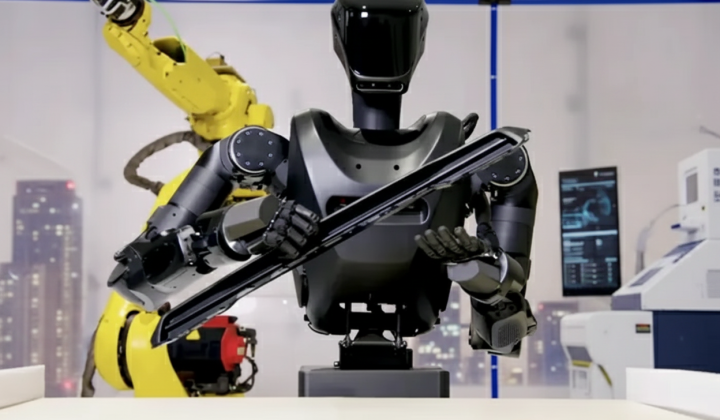
According to Главком: U.S. startup Foundation Future Industries has sent two Phantom MK-1 humanoid robots to Ukraine to deliver supplies near the front lines. Founded in San Francisco in 2024, the company aims to bring cutting-edge technology into military operations. In early 2026, the startup dispatched the robots, each capable of lifting up to 20 kg, as part of this initiative.
However, the Phantom MK-1 has notable limitations. It lacks moisture protection and isn't designed for extended autonomous operation. These shortcomings could hamper performance in the harsh conditions typical of conflict zones. Meanwhile, Foundation Future Industries is already developing a new version, the Phantom 2, which will double the payload capacity.
Financial Backing and Military Trials
A key aspect of the startup's work is its financial support. Foundation Future Industries has secured research contracts worth $24 million from the U.S. Army, Navy, and Air Force. The company expects to begin combat trials with American forces within 12 to 18 months. Eric Trump, son of the U.S. president, is also actively involved, investing his own money and serving as chief strategic advisor.
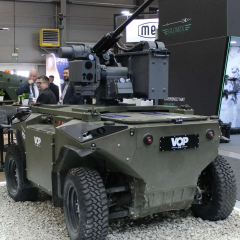
Ukraine's Defense Ministry has declined to comment on the deployment of the robots, raising questions about their use in the conflict. Ground robots and autonomous drones have been in use in Ukraine for five consecutive years, highlighting the growing role of new technologies in warfare.
According to developer Sanket Patak: 'I believe the technology has reached a point where it can replace humans in dangerous tasks. If we can achieve that, it would be the greatest benefit of all possible robotics applications.'
However, there is another side to the story-adapting technology to real-world conditions. Melanie Sisson, another company representative, noted: 'Ukraine taught us the opposite-what's needed is the ability to adapt quickly and produce cheaply. Making a robot look human is a complex and expensive engineering challenge.'
The deployment of Phantom MK-1 robots in Ukraine reflects a growing interest in integrating advanced technology into military operations, especially in modern conflicts. While these innovations have the potential to boost operational efficiency, their practicality and adaptability to real conditions remain uncertain. Further testing and research will help determine whether humanoid robots become truly useful in war or if their limitations prove too significant for widespread adoption.
As the use of advanced robotics in military operations continues to expand, Ukraine has set ambitious goals to enhance its own capabilities. The country plans to manufacture 25,000 ground robots by mid-2026, reflecting a significant investment in technology that could complement initiatives like those of Foundation Future Industries. This strategic move highlights the increasing reliance on innovative solutions in modern warfare, emphasizing the importance of adapting to the evolving battlefield landscape.

Read also