Russia Intensifies Disinformation Campaign Claiming NATO Is Preparing for War

Moscow's Information Warfare Strategy
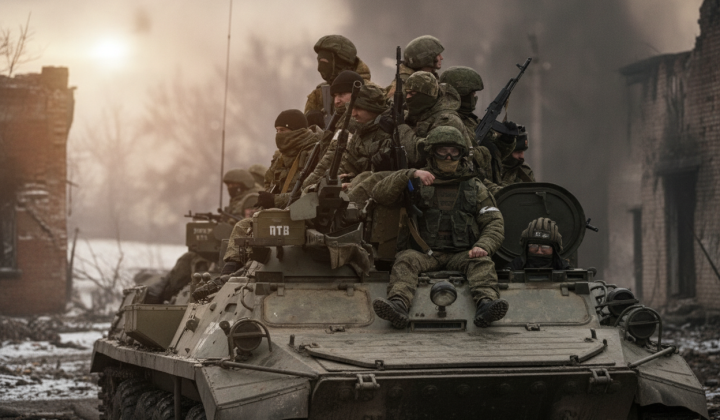
According to Главком: Russia has ramped up a propaganda effort alleging that NATO and the European Union are planning a military confrontation with Moscow. Russian Deputy Foreign Minister Alexander Grushko claimed Western nations are supposedly readying for armed conflict with Russia around 2030. He drew a controversial parallel between the Alliance's actions and Nazi Germany's 1941 invasion of the Soviet Union, a comparison that has alarmed analysts.
Kremlin's Tactics Under Scrutiny
The Center for Countering Disinformation, operating under Ukraine's National Security and Defense Council, noted that these historical analogies are aimed at a domestic Russian audience, designed to evoke memories of World War II. By artificially equating the modern NATO defense bloc with the Third Reich, the Kremlin seeks to rally Russian society and mentally prepare the population for potential combat operations against European nations, the Center stated.
Furthermore, the Center highlighted that the Kremlin is projecting its own intentions by trying to get ahead of the narrative, framing its aggressive actions against European states as necessary self-defense. Officials emphasized that Moscow is once again using a blame-shifting tactic to conceal its own plans for destabilizing European security and to justify further escalation.
Recently, two Norwegian F-35 fighter jets were scrambled in response to Russian Tu-160 strategic bombers approaching NATO airspace. The Kremlin described the flight as a routine mission in international airspace. However, NATO countries viewed the incident as a show of Russian military force in the Arctic region.
Russian propaganda continues to leverage the narrative of a hostile West to justify the Kremlin's foreign policy decisions. Since the start of the full-scale invasion of Ukraine, such messaging has become a key tool for mobilizing Russian society, signaling rising tensions in the region.
Given these developments, it is crucial to recognize that Russia's information campaign may target not only domestic mobilization but also international public opinion. It underscores the Kremlin's efforts to shape perceptions of a Western threat, which could have implications for the foreign policies and military strategies of both Russia and NATO countries. Incidents like the interception of Russian bombers and similar statements point to growing tensions in and around the Arctic, demanding close attention from international analysts and policymakers.
The Kremlin's rhetoric draws unsettling parallels between NATO's actions and historical invasions, further intensifying fears of impending conflict. For a deeper understanding of how these comparisons echo past aggressions and what they mean for current geopolitical tensions, explore our article on Moscow's comparison of NATO strategies to Nazi invasion plans.

Read also