Ukraine's Gas Storage Hit in Russian Drone Strikes, Confirms Naftogaz

Ukraine's Gas Infrastructure Targeted
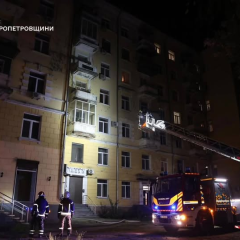
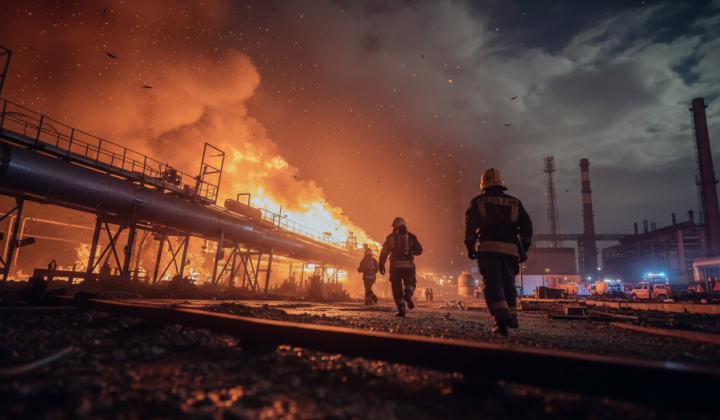
According to Главком: Russian forces have carried out a major drone assault on Ukraine's gas infrastructure, targeting facilities operated by the national energy company Naftogaz. Over the past two days, approximately 60 attack drones were deployed against gas storage sites and production facilities in the Kharkiv and Chernihiv regions. Serhiy Koretskyi, Chairman of the Board of Naftogaz of Ukraine, has confirmed that the strikes caused significant damage. These attacks are part of a broader Russian campaign to cripple Ukraine's energy sector, which is critical for both civilian life and military resilience.
Rebuilding a Ravaged Energy Grid
Since the full-scale invasion began, Russia has repeatedly targeted Ukraine's energy infrastructure. The private energy company DTEK has invested 31 billion hryvnias to repair thermal power plants and power grids damaged in attacks since 2022. From 2022 through 2026, the company plans to allocate nearly 19 billion hryvnias for repairs and operations at its thermal power plants, and a further 12 billion hryvnias for modernizing its electricity networks.
Not a single DTEK power station has been left undamaged or destroyed, with over 220 attacks recorded on its thermal plants since the war started.
Serhiy Koretskyi, Chairman of the Board of Naftogaz of Ukraine, stated that as soon as the security situation allows, company specialists, together with State Emergency Service units, will assess the consequences of the attacks and begin recovery efforts.
This situation underscores the severe threat to Ukraine's energy infrastructure and the urgent need to restore damaged facilities. The ongoing attacks represent a critical front in the war, directly impacting the country's energy security and its ability to supply power to households and industry. In the face of escalating threats, the importance of investing in the restoration and modernization of energy assets has become even more apparent, as this can help mitigate the impact of future strikes and bolster the system's overall resilience.

Read also