Russia builds railway with Chinese resources: what is given in return

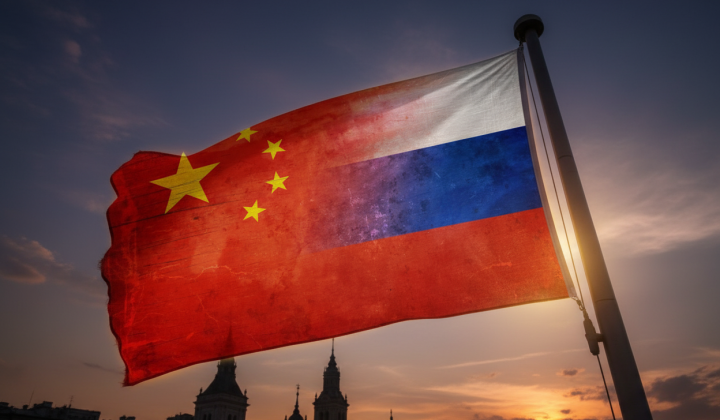
Cooperation between Russia and China in the infrastructure sector
According to ХВИЛЯ: The Russian authorities plan to cooperate with Chinese companies for the construction of the Kuragino-Kyzyl railway in exchange for the extraction of rare metals in Tuva. The Kuragino-Kyzyl railway will have a length of 410 kilometers. The initial agreement for the construction of this road was signed back in 2008 with former senator Sergey Pugachev.
Extraction of rare metals
As part of the agreement, Chinese companies may gain access to the extraction of rare earth metals at the Ulug-Tanzek and Ariskanskoye deposits. The Ulug-Tanzek deposit is the second largest in terms of lithium reserves in Russia, with reserves of 665.5 thousand tons. The investment capacity of this deposit is at least 20 billion rubles. Also important is the fact that the Elegest deposit has significant reserves of coking coal – 855 million tons.
Experts note that similar agreements under the 'infrastructure for resources' scheme are already being used by China in Mongolia. Vladimir Donskikh emphasized that for the development of the Angara-Yenisei scientific and production cluster, which is to be formed in the south of the Krasnoyarsk region by 2030, the presence of transport infrastructure is necessary. However, according to him, the federal budget and Russian Railways have limited capabilities for implementing these projects.
Andrey Goliney noted that Beijing gains control over the raw material base but will not allow the development of the domestic market for high-end raw material technologies. This leaves Russia dependent on Chinese products, raising concerns about the future economic development of the country.
This agreement between Russia and China underscores Moscow's increasing dependence on Beijing in the field of resources and infrastructure. Given the limited capabilities of the Russian budget, such cooperation may become an important factor for the economic development of the region, but at the same time threatens Russia's independence in the technological sector. In the long term, this could influence the strategic decisions of the country in the context of international relations and economic policy.

Read also