Russia Seeks Key Leadership Roles in ITU to Break Isolation Amid Ukraine Conflict

Overview of the ITU Election Dynamics
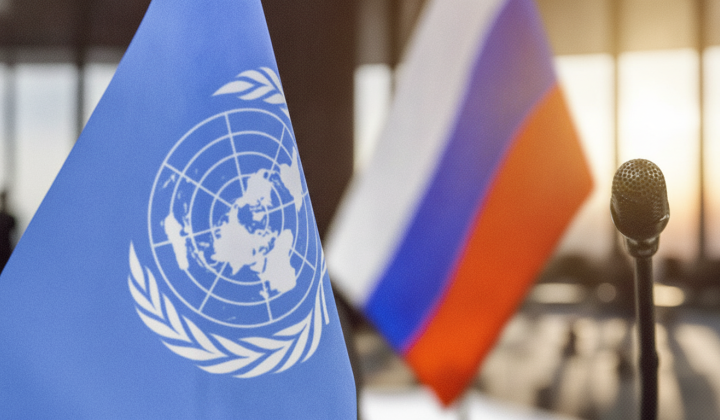
According to Рубрика — Політика: In an effort to ease its international isolation caused by the full-scale war against Ukraine, Russia is vying for influential positions within the United Nations' International Telecommunication Union (ITU). The elections for ITU’s leadership are taking place in Doha, Qatar, involving participation from all 194 member states. Russia aims to expand its sway in telecommunications and digital technology sectors through these key roles.
Specifically, Russia is contesting for a seat on the Radiocommunication Advisory Group, which oversees compliance with radio frequency spectrum regulations. This seat is highly competitive, with contenders including Georgia, Azerbaijan, Kazakhstan, and Uzbekistan. Additionally, Russia is seeking membership in the ITU Council, a 48-member body responsible for the organization's budget, strategic planning, and governance.
Implications for the Telecom Sector and Global Governance
Ukraine has reported telecommunications damages exceeding $2.5 billion, excluding cyberattacks, according to Yevhen Tsymbaliuk, Ukraine’s ambassador to the UN in Geneva. Meanwhile, the ITU has re-elected American Dorine Bogdan-Martin as Secretary-General for a new term. The organization has also validated complaints regarding Russian interference with satellite signals and is currently reviewing Lithuania’s proposal to strengthen defenses against such disruptions.
Founded in 1865 to coordinate telegraph communications, the ITU now plays a crucial role in setting standards for artificial intelligence, managing radio frequency use, and overseeing strategic and financial operations worldwide. Russia’s chances of regaining leadership roles within such international bodies appear to have improved due to shifting attitudes among some member states.
- Last year, Russia failed to secure a seat on the World Health Organization’s governing board.
- In 2023, Russia did not receive enough votes to return to the UN Human Rights Council.
Meanwhile, Poland won a significant victory over Russia for a position on the UN Joint Inspection Unit, ending Moscow’s 60-year presence in that body. A recent UN independent commission's report accuses Russian authorities of war crimes and systematic attacks on Ukraine’s energy infrastructure.
“Such actions must not go unpunished,” emphasized Yevhen Tsymbaliuk, underscoring the gravity of the situation.
The ITU elections carry substantial weight for global diplomacy. A Russian victory would signal a reintegration into the multilateral system, even as some Western diplomats note a growing weariness within the UN regarding the Ukraine conflict. One diplomat remarked, “The UN system is showing signs of fatigue over Ukraine,” highlighting potential shifts in international alignments.
This election underscores Russia’s persistent attempts to reclaim influential status on the world stage despite ongoing isolation. Whether Russia succeeds or fails in securing these positions could have far-reaching consequences for its role in global telecommunications governance-an area increasingly vital amid evolving technological challenges.
As the geopolitical landscape shifts, the ongoing tensions surrounding Russia's actions in the international arena are increasingly scrutinized. In this context, Ukraine's initiative to challenge Russia's standing in the UN highlights the complexities of diplomatic relations and the implications for global governance, particularly in the telecommunications sector where Russia seeks to regain influence.

Read also