Russia’s Departure from the European Anti-Torture Convention Draws Strong Condemnation from Ukraine

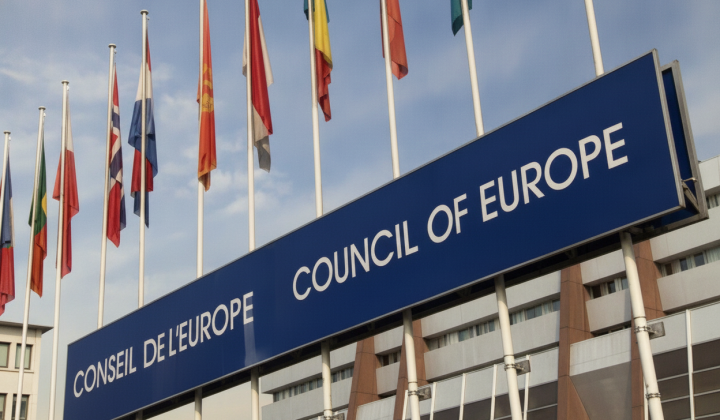
Russia Officially Withdraws from European Torture Prevention Treaty
According to Рубрика — Суспільство: On November 1, 2026, Russia formally ended its participation in the European Convention for the Prevention of Torture (ECPT). The Russian government notified the Council of Europe of its decision on October 30, 2025, with the withdrawal taking effect one year later. Russia had been a party to this international treaty since 1998 but increasingly obstructed transparency by refusing to allow the publication of reports following inspections by the European Committee for the Prevention of Torture (CPT). During its membership, the Committee conducted 30 visits across Russia, inspecting over 450 detention facilities, yet only four inspection reports were authorized for public release by Russian authorities.
Ongoing Torture Concerns Amid the Russia-Ukraine Conflict
Since the full-scale invasion of Ukraine, the CPT has received numerous reports of alleged torture and cruel treatment of detainees both in Russian custody and in territories temporarily occupied by Russia within Ukraine. According to UN experts, more than 95% of Ukrainian soldiers freed from Russian captivity have experienced torture or other violations of international humanitarian law and the Geneva Conventions. Russia has reportedly institutionalized torture practices for prisoners of war, even training specialized personnel in various torture techniques.
As of 2026, official Ukrainian records document at least 345 confirmed executions of Ukrainian prisoners of war by Russian forces since the invasion began. Additionally, at least 375 Ukrainians have died while held captive by Russia. The annual UN report on sexual violence highlighted, for the first time, the inclusion of both Russian and Israeli armed forces on a blacklist for such abuses.
The Ukrainian Ministry of Foreign Affairs strongly condemned Russia’s withdrawal, interpreting it as an attempt to evade accountability for human rights violations.
“Modern Russia represents a realm of lawlessness and the degradation of human dignity,” the ministry stated.
Alan Mitchell, Chair of the European Committee for the Prevention of Torture, emphasized that Russia’s exit terminates the Committee’s mandate to monitor detention conditions within the country. This development effectively ends any independent oversight of prisons and detention centers in the Russian Federation. Such a move underscores the critical challenges facing human rights protection in Russia, especially against the backdrop of the ongoing armed conflict with Ukraine.
Russia’s withdrawal from the ECPT poses significant challenges for the international human rights framework. It not only eliminates independent scrutiny of detention conditions in Russia but also complicates global efforts to hold perpetrators accountable for abuses. Given the abundance of evidence detailing the mistreatment of Ukrainian prisoners, this decision has raised alarm within the international community. It highlights the urgent need for continued vigilance and protective measures for individuals caught in the conflict.
As the situation evolves, the international community continues to seek ways to address the plight of prisoners of war. Notably, Cardinal Matteo Zuppi's recent visit marks a significant milestone, as he became the first foreign envoy permitted to meet with Ukrainian POWs since the onset of the conflict. This development underscores the urgent need for increased attention to the treatment of detainees amidst ongoing allegations of human rights abuses.

Read also