Three Key Ways Russia Benefits from Middle Eastern Conflict

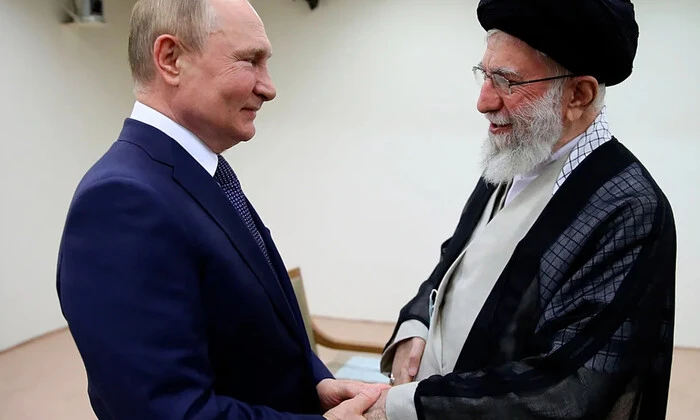
How Russia Gains a Strategic Edge from Middle East Tensions
According to Главком: Ongoing conflict in the Middle East is generating significant strategic advantages for Russia. These benefits stem from rising global energy prices, an increase in arms sales, and the strain placed on American military stockpiles. For context, over 20% of the world's oil and gas exports transit the Strait of Hormuz, making regional stability critical to global energy markets. As oil and gas revenues constitute roughly 45% of Russia's federal budget, surging prices for these commodities can substantially bolster the nation's economic standing.
Russia's Specific Advantages
-
A second major benefit for Russia is the expansion of its arms trade. Iran has finalized a deal to purchase 500 'Verba' missile launchers and 2,500 surface-to-air missiles from Russia. Since 1979, Russia has been Iran's primary weapons supplier, with one-third of Iran's arms imports currently originating from Russia. This underscores the deep military ties between the two nations and points to potential for further defense cooperation.
-
The third factor highlighting Russia's gains is the depletion of U.S. ammunition reserves. Former President Donald Trump has asserted that the United States possesses virtually limitless weapons stocks, enabling it to wage war 'forever.' He also emphasized that U.S. stocks of medium and high-grade ammunition have never been 'so high and so good' as they are now.
Consequently, the Middle Eastern conflict creates favorable conditions for Russia, strengthening its economic and military posture in the region while impacting global energy and defense markets. Rising energy prices, intensified military collaboration with Iran, and the drawdown of U.S. weapons stockpiles could significantly alter the geopolitical balance in this strategic area, with potential implications for global security and stability. This situation highlights why the international community must closely monitor events in the Middle East, as shifts there can influence economic and political decisions worldwide.

Read also