Russia Shifts to Jet-Powered Shahed Drones for Deep Strikes Into Ukraine

Russia Adapts Its Drone Warfare Strategy
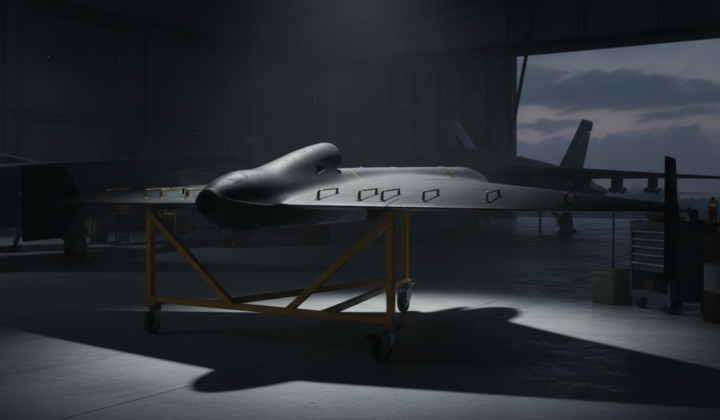
According to ХВИЛЯ: Russia is altering its approach to Shahed drone operations, now deploying jet-powered variants to strike deep inside Ukraine. This new method focuses on precision attacks against selected targets rather than the large-scale barrages previously seen. The tactical shift was disclosed by Serhiy Beskrestnov (callsign Flash), an advisor to Ukraine’s Minister of Defense, in a Facebook post. This change comes as Ukraine’s air defenses have become increasingly effective at intercepting conventional drones.
According to Beskrestnov, the introduction of jet-powered Shaheds is no coincidence. Ukraine’s air defense systems have been successfully shooting down 92–96% of gasoline-engine drones during deep rear attacks. In response, the enemy is now launching jet-powered aircraft for long-range strikes, and their numbers are growing. Gasoline-powered Shaheds, meanwhile, continue to be used for assaults on border regions and cities. Daily, approximately 200 such drones attempt to damage targets near the frontier, including:
- gas stations
- warehouses
- energy infrastructure
- transportation networks
This tactical adjustment coincides with a reduction in the total number of drones flying across Ukraine. The adversary is now selecting high-value targets, conducting multi-stage reconnaissance of facilities, and studying Ukrainian defensive lines-including electronic warfare, radar, and air defense systems. Russian forces are probing for corridors that bypass interceptors and are plotting routes at varying altitudes and speeds, using the Sikorsky modification of Shahed drones, which feature target-lock capabilities.
“The change in Shahed deployment tactics is unfolding exactly as I predicted a year ago.”
Serhiy Beskrestnov (Flash)
Beskrestnov also believes that 'part of the production is now being redirected toward serial manufacturing of jet-powered Shaheds.' However, the advisor noted that he will not publicly disclose what countermeasures Ukraine should take in response to these enemy actions.
Implications of the Tactical Shift
Russia’s evolving drone tactics may signal a broader adaptation of military strategies in response to Ukrainian resistance. The growing effectiveness of Ukraine’s air defenses is forcing the adversary to rethink its methods, potentially creating new security challenges for Ukraine. Unlike gasoline-powered models, jet-powered drones could complicate defensive efforts, requiring Ukrainian forces to enhance reconnaissance and tighten control over airspace.
This shift in Russia's drone strategy aligns with the recent mass production of jet-powered drones, indicating a significant escalation in their military capabilities. As these advanced drones are now being manufactured on a larger scale, the implications for the ongoing conflict in Ukraine could be profound, particularly concerning air defense strategies and targeted operations.

Read also