Russia Launches Nationwide Recruitment of Female University Students for Drone Units

Targeting Female Students for Drone Operations
According to Главком: Russia has expanded its recruitment of female university students into unmanned aerial vehicle (UAV) units, now reaching educational institutions across the entire country. This development was reported by the Center for Countering Disinformation under Ukraine's National Security and Defense Council. Previously, such recruitment efforts were mainly observed in temporarily occupied territories of Ukraine, but they have now spread to higher education facilities within Russia itself. The recruitment methods include SMS campaigns, announcements displayed on monitors, and direct conversations with potential candidates after lectures.
One of the key incentives offered involves students who have tuition fee debts. They are given the opportunity to sign a military contract in exchange for having their debts written off. The Russian Ministry of Defense claims that service in UAV units does not involve direct participation in frontline combat, and contracts are signed for a one-year term. This campaign is intensifying as the Russian army faces ongoing challenges in personnel replenishment.
First Recorded Death of a Recruited Student
A tragic milestone has been reached with the first confirmed death of a recruited student. A 23-year-old student from Buryatia signed a contract in January 2026 and was killed in April 2026 in the Luhansk region, not far from the front line. This incident has raised serious concerns, as it highlights the real dangers faced by young people who accept such offers.
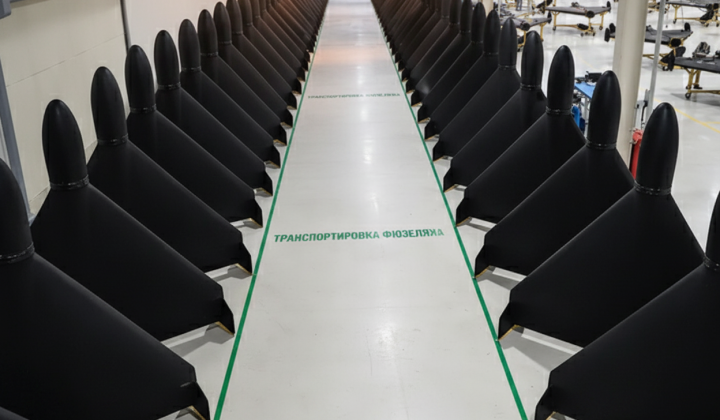
Additionally, the United Kingdom has imposed sanctions on individuals and companies involved in recruiting foreigners to work on the production of attack drones in the Alabuga special economic zone in Tatarstan. The sanctions list includes 18 entities and individuals linked to the Alabuga Start program. Russia is also recruiting citizens from economically vulnerable countries, using deceptive job offers to lure them in.
The Center for Countering Disinformation notes that Russia is cynically turning educational institutions-both in occupied territories and within its own borders-into a 'conveyor belt' for replenishing UAV units.
The expansion of female student recruitment signals a continuation of Russia's military strategy, which focuses on drawing young people into military units. This could have far-reaching consequences for society and the education system in the country. Meanwhile, the sanctions imposed by the United Kingdom reflect the international community's response to Russia's actions, which may influence future developments in this area. Amid growing difficulties in army staffing, such initiatives could become critically important for Russia in the context of the ongoing conflict.
The ongoing recruitment campaign highlights Russia's broader strategy to bolster its military forces amid personnel shortages. In a related effort, the country is also seeking to enlist foreign recruits through coercive tactics, further illustrating the lengths to which the government is willing to go to meet its military needs. Understanding these measures provides crucial context to the current situation.

Read also