Russia Tightens Grip on Belarus as 500 Factories Supply Its Military

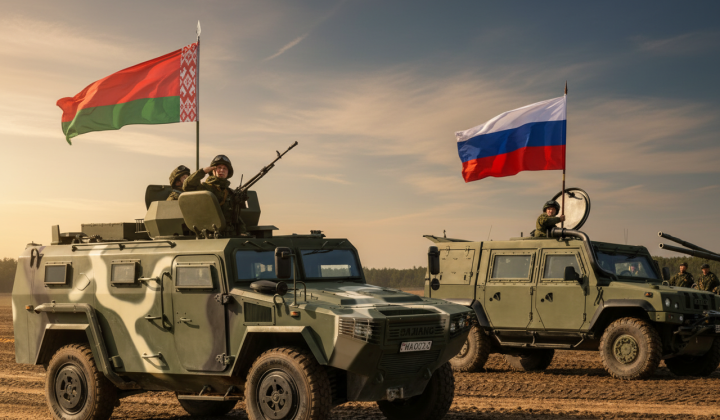
Russia's Deepening Control Over Belarus
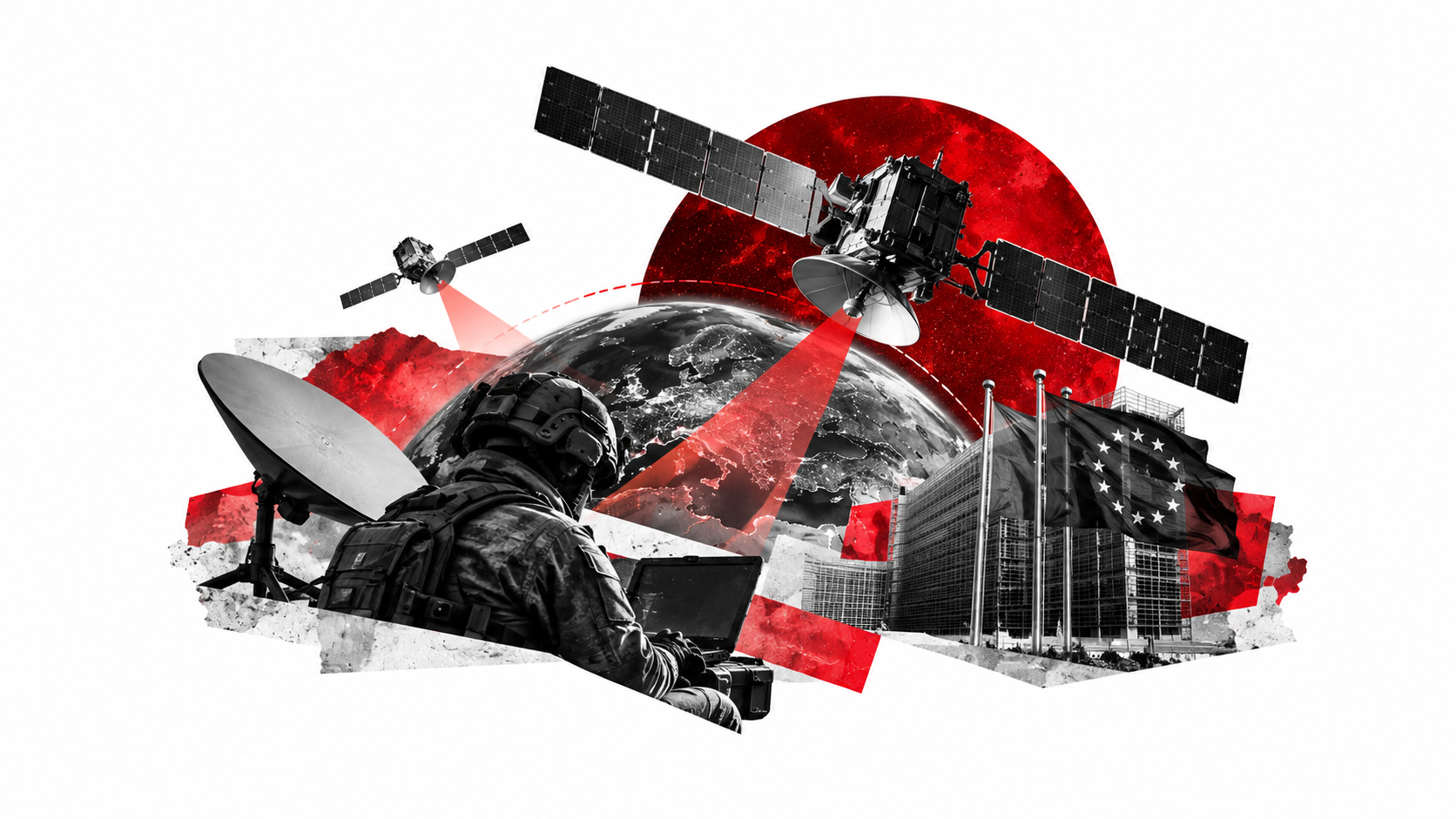
According to ХВИЛЯ: Russia is strengthening its hold on Belarus through the mechanisms of their 'Union State.' According to Ukraine's Foreign Intelligence Service and Latvia's Constitution Protection Bureau (SAB), economic cooperation between the two nations has become militarized. This is evidenced by approximately 500 Belarusian enterprises now working to supply the Russian army. Furthermore, Minsk annually provides around 480,000 artillery shells and rocket munitions for Russian weapon systems.
Military Integration and Its Implications
The Kremlin views any uncontrolled shift of power in Minsk as a direct threat to its interests. This indicates that any move toward greater independence is automatically perceived as hostile, as it would weaken Russian influence. The 'Union State' framework serves as the primary mechanism for Russia's control over Belarus, facilitating the integration of Belarus's civilian sector into Russia's defense industry.
A key aspect of this collaboration is the implementation of a drone factory project in Belarus, designed to produce up to 100,000 units annually. The war against Ukraine has demonstrated that Belarus has chosen the role of a 'rear-base donor' for Russia, underscoring the depth and seriousness of their military integration. These factors highlight Belarus's growing dependence on Russia and its commitments within the context of militarization. This relationship is a cornerstone of Russia's strategy to project power in Eastern Europe.
Amid current geopolitical tensions, Russia's tightening control over Belarus could have serious consequences for regional stability. The increasing military integration between these states may lead to further escalation of conflicts, particularly in Ukraine, and impact the security situation in neighboring countries. Observing these processes, the international community must be prepared to respond to potential shifts in the balance of power in Eastern Europe.

Read also