China’s grip on Russia tightens through gas and tech dependence

Russia’s Growing Reliance on China
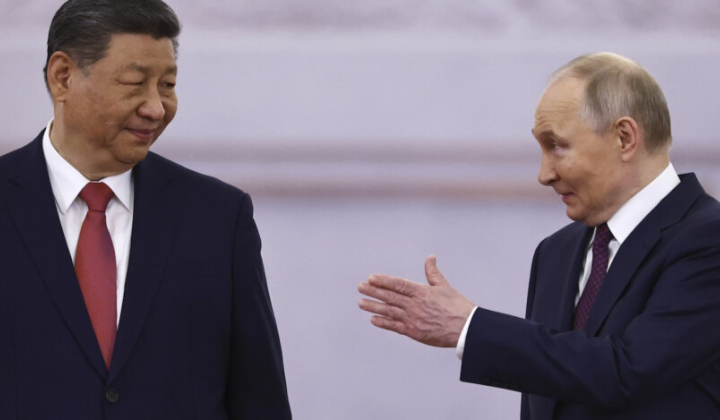
According to ХВИЛЯ: In a column for The Spectator, analyst Mark Galeotti argues that the relationship between Russia and China is becoming increasingly one-sided, particularly in energy and technology. A key example is the prolonged negotiations over the 'Power of Siberia-2' gas pipeline, where China is demanding a 75-80% discount off international gas prices-a clear sign of its leverage in the deal. Galeotti points out that Russia, in turn, depends on Chinese microchips and smartphones, with Chinese phone models accounting for 85% of all sales in Russia. This dynamic underscores how Moscow’s isolation has shifted the balance of power in the partnership.
Potential Strains in the Partnership
Vladimir Putin, who has visited China over two dozen times during his rule, is set to lead Russia’s delegation at the 33rd APEC summit scheduled for November. This summit could serve as a key platform for discussing future ties between the two nations. At the same time, the Federal Security Service (FSB) has acknowledged a rise in Chinese espionage activities in Russia, pointing to Beijing’s expanding influence on Russian soil since 2022.
Additionally, China continues to publish maps featuring historical Chinese names for cities that were ceded to Russia under treaties from the 19th and early 20th centuries. This suggests potential territorial claims by Beijing, highlighting the underlying tensions in the relationship.
Galeotti sums it up by stating, 'This is less about friendship without limits and more about friends without benefit.'
As Russia’s dependence on China grows and Chinese activities inside Russia intensify, the future of their bilateral ties looks increasingly complex and fraught. Deeper economic integration and interactions in sensitive areas could create new challenges for both countries, affecting their political stability and regional security.
As Russia's ties with China deepen, the geopolitical landscape is shifting, prompting nations in Europe and Asia to explore alternative trade routes. The increasing reliance on Chinese resources has significant implications for global commerce, especially as countries seek to reroute their trade through the Middle Corridor. This development highlights the potential for new alliances and economic strategies that could reshape international relations.

Read also