U.S. Rejects Russian Offer to Trade Iranian Intelligence for Withholding Ukraine Support

Russia's Proposal to the United States
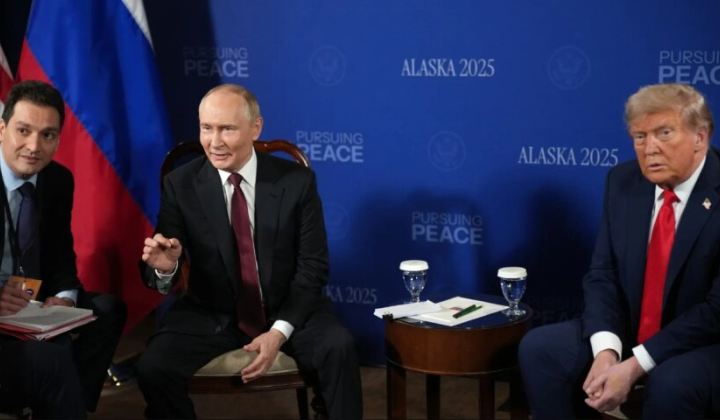
According to ХВИЛЯ: During a meeting last week in Miami, Russian envoy Kirill Dmitriev presented an offer to representatives of the Trump administration, Steve Witkoff and Jared Kushner. The proposal suggested that Russia would cease sharing intelligence data with Iran if the United States stopped providing Ukraine with information on Russian military movements. The United States rejected the deal outright. This incident highlights the complex intelligence dynamics at play between global powers, where information is a key strategic currency.
Since the start of the large-scale war, Moscow has significantly expanded its data exchange with Tehran. This cooperation includes sharing coordinates of U.S. military assets in the Middle East, satellite imagery, and drone technology. Additionally, the U.S. also turned down a separate Russian proposal to transfer enriched uranium from Iran to Russian territory.
Military Aid to Ukraine
It is worth noting that the Trump administration halted the majority of financial and military aid to Ukraine last year. In January, French President Emmanuel Macron stated that Paris provides two-thirds of the military intelligence for the Armed Forces of Ukraine. Furthermore, the Trump administration eased sanctions on Russian oil, a move that sparked discussion in international circles.
Donald Trump has previously voiced opinions suggesting Russia could be helping Ukraine, remarking: 'He might be helping them a little bit, yes, I think, and he probably thinks that we're helping Ukraine, right?'
This situation underscores the complexity of international relations and the interactions between nations within the framework of modern geopolitics.
The U.S. rejection of the Russian offer indicates continued tension in bilateral relations and underscores the importance of strategic alliances formed on the basis of shared interests. The intelligence-sharing situation confirms that geopolitical interests remain a priority for all parties, while issues of security and military alliances in the context of the conflict in Ukraine take on particular significance.
The intricate web of intelligence sharing between Russia and Iran raises further questions about the dynamics at play in U.S.-Russia relations. For a deeper understanding of the claims made by Russia regarding its intelligence activities and the insights shared with Trump and Kushner, you can explore more in our detailed report on Russia's denial of sharing intelligence with Iran.

Read also