Russia's European Spy Network: Strategic Real Estate Purchases for Sabotage Revealed

Russian Intelligence Activity Escalates Across Europe
According to ХВИЛЯ: Russian intelligence services are expanding their operations in Europe, establishing a network of properties intended for surveillance, sabotage, and covert attacks. This activity has been documented in dozens of countries, including Finland, Norway, Sweden, Britain, Poland, Switzerland, and Greece. Sabotage acts linked to Moscow have increased in frequency since Russia's full-scale invasion of Ukraine four years ago. This pattern represents a significant shift in Moscow's hybrid warfare tactics against the West.
Acquisition of Strategically Vital Properties
Russian-linked entities are suspected of purchasing strategically important real estate in at least a dozen European nations. For instance, on September 22, 2018, hundreds of camouflaged special forces personnel landed on the island of Sakkiluoto. This site was found to contain:
- nine piers;
- a helicopter landing pad;
- surveillance cameras;
- motion sensors;
- camouflage netting;
- barracks-like structures;
- satellite antennas;
- modern communications equipment.
Pavel Melnikov, the owner of the company Airiston Helmi, received a suspended sentence last year for his actions.
Global security concerns are mounting as critical national infrastructure is seen as highly vulnerable to malicious state activity. Britain revoked the diplomatic status of a Russian-owned estate in East Sussex a year ago, while Poland closed the Russian consulate in Gdańsk last November. Finland imposed a near-total ban on real estate purchases by Russians and Belarusians in July, and Estonia plans to introduce restrictions on Russian property purchases this summer.
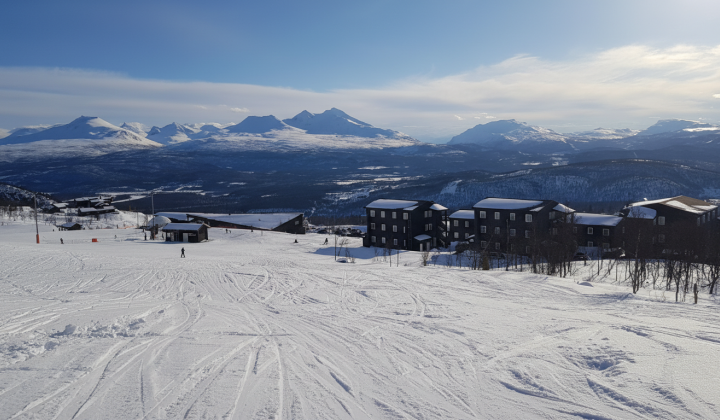
For over a decade, Russian structures have systematically acquired property in Finland, Sweden, and Norway in close proximity to military bases, ports, and strategic supply lines. In Norway, purchases have included cottages in Malselv Fjellandsby with a view of Bardufoss airbase, and the Soreide prayer house located near the Haakonsvern naval base in Bergen. In Sweden, a church built in 2023 was recorded near the strategically important airport in Västerås.
China also employs a similar, though more limited, strategy, having purchased a hotel near an airbase in Switzerland where F-35 fighter jets are to be stationed. However, the Swiss military repurchased this property in 2024. Meanwhile, regions outside the Nordics where acquisitions have been recorded include Sicily, Crete, mainland Greece, London, Paris, and Geneva. Properties in Switzerland include real estate near the federal institute for chemical protection and a village near the Large Hadron Collider outside Geneva.
Intelligence officials note that a sabotage campaign is less likely to trigger a consensus on Article 5 than a conventional Russian military operation. They also stress that as long as counterintelligence remains a purely national affair, it cannot effectively counter a threat that crosses every state border in Europe. While a pattern in these actions is now recognized, many countries are still in the early stages of understanding this strategy and how to manage it. The scale of this network suggests a long-term, coordinated effort to establish influence and operational capacity.
This situation highlights the growing vulnerability of European nations to potential threats from Russian intelligence services, raising serious national security concerns. Countries that previously paid little attention are now beginning to take steps to protect their territory and infrastructure, including by restricting foreign investment in strategic assets. This is likely to lead to new tensions in relations between Russia and European states as they seek to ensure their security and regional stability.

Read also