Drug Trafficking Routes Exposed: How Russia and Iran Fund Proxy Forces

The Challenge of 'Gray Zones' in the Post-Soviet Sphere
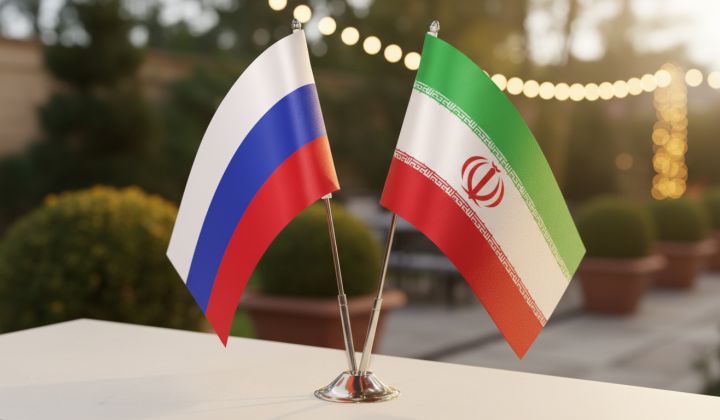
According to ХВИЛЯ: International security expert Tamirlan Vagabov has detailed how Russia and Iran exploit 'gray zones'-areas of weak state control in the post-Soviet region-to facilitate drug trafficking and finance proxy militant groups. These ungoverned spaces create an ideal environment for smuggling operations to flourish.
Vagabov, who served as a liaison between the Ministry of Internal Affairs and a UN project combating drug trafficking in the South Caucasus, stated that Tehran managed the smuggling routes. One key route traversed the Talish Mountains in southern Azerbaijan and through Karabakh, which was not under Azerbaijani control at the time. This path also followed the line of the Araz River.
'We understood very clearly then the threat Iran posed. All the trafficking we tried to, and successfully did, prevent was going through the Talish Mountains-the south of Azerbaijan-through Karabakh, which was not controlled by Azerbaijan then, and along the Araz River line,' Vagabov emphasized.
He further stressed that Russia provided cover for these criminal routes at the international level and blocked attempts by the global community to intervene.
'We spent a great deal of time fighting with the Russians themselves to get UN resolutions passed that would condemn drug trafficking through occupied territories. We fought this for several years. The Russians tried to simply prevent these resolutions, and we worked within the framework of UNODC (the United Nations Office on Drugs and Crime),' the expert noted.
Among the primary 'gray zones' Vagabov identified were:
- Transnistria
- Abkhazia
- Ossetia
- Karabakh
He pointed out that countries like Russia and Iran skillfully use these territories to bankroll their proxy forces, thereby avoiding direct pressure on their own national budgets. 'At that time, there were four 'gray zones': Transnistria, Georgia with its two conflicts-Abkhazia and Ossetia-and Karabakh. For them, a 'gray zone' like Donbas, Crimea, or Transnistria is simply manna from heaven,' Vagabov added. This tactic allows state sponsors to project power and destabilize regions while maintaining plausible deniability.
Demands for International Action
This situation demands urgent attention from the international community, as its consequences could severely impact regional security. The exploitation of 'gray zones' for illicit activities risks further destabilization, both for individual nations and the wider region. The surge in drug smuggling and the financing of proxy forces threatens not only national security but also international relations by drawing new actors into conflicts. Therefore, it is crucial for the global community to implement measures to monitor and prevent the criminal use of such territories.

Read also