Putin's Strategic Deadlock: Why Russia Can Neither Win Nor End Its War

The Origins of Russia's War Against Ukraine
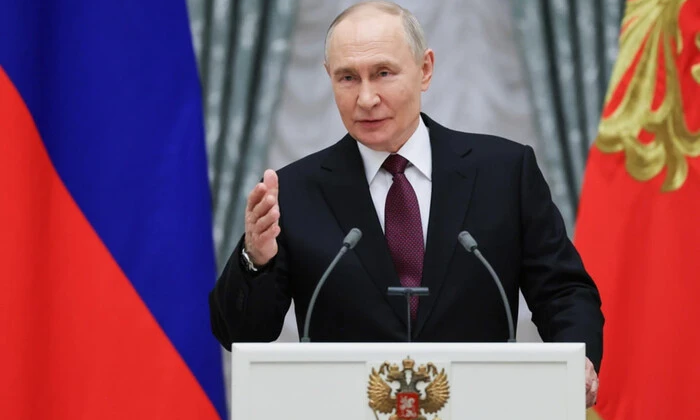
According to Главком: Russia's aggression against Ukraine began in 2014 with the occupation of Crimea. In that same year, Russian President Vladimir Putin attempted to destabilize half of Ukraine's regions. The full-scale invasion of Ukraine by Russia occurred in 2022, leading to significant humanitarian and economic consequences. This conflict represents the largest conventional war in Europe since World War II.
In an article for the Atlantic Council, Paul Niland notes that Russian aggression against Ukraine started in 2014. Former U.S. Special Representative Kurt Volker has expressed the view that Russia is severely depleted.
New Legislation and Its Implications
The State Duma of the Russian Federation recently approved a bill in its first reading that allows the president to deploy troops abroad to protect citizens from legal prosecution. This step has sparked discussion among experts and analysts, who note it could open new avenues for military action outside Russia's borders. Such legal maneuvers are often used by the Kremlin to provide domestic justification for foreign interventions.
'Russia is seriously depleted. If the war ends, it will have to recover politically, economically, militarily, and financially.' - Kurt Volker
According to Volker, Russia will not be ready to start a new war elsewhere. For Putin, the situation is complex: 'continuing the war is problematic, but ending it is also difficult – due to the return of troops, the costs, and an economy restructured for war.'
Thus, the situation in Eastern Europe remains tense, and Russia's new legislative initiatives could significantly influence future developments. Given Kurt Volker's statements about Russia's depletion, these new legislative initiatives may be an attempt by the Kremlin to find new ways to expand its military ambitions despite existing difficulties. This could lead to an increase in military actions outside Russia, which, in turn, could further complicate the regional situation and exacerbate international relations. It is important to monitor subsequent developments, as the situation can change rapidly, affecting the stability of not only Ukraine but also other neighboring countries.
As the situation in Eastern Europe remains precarious, recent developments highlight the challenges faced by Russia's military strategy. The ongoing stalemate in their offensive efforts has led to unprecedented casualties and a diplomatic standstill regarding territorial disputes. To understand how these factors interconnect with Russia's legislative moves and their implications for future military engagements, read more about the current challenges of Russia's spring offensive.

Read also