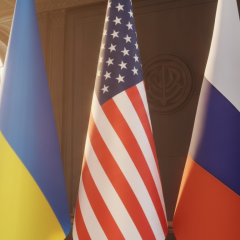
Moscow Signals Readiness for Dialogue with the European Union

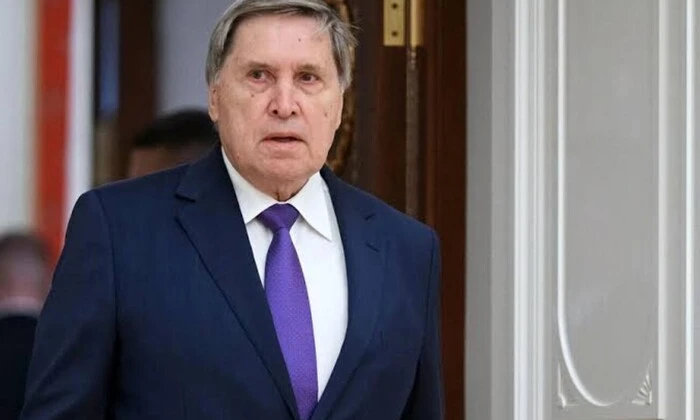
Russia Expresses Openness to EU Talks
According to Главком: Kremlin aide Yuri Ushakov has announced Russia's willingness to engage in dialogue with the European Union. During his remarks, Ushakov also addressed the G7 summit held in Évian-les-Bains, France, the situation in the Middle East, and Iran's nuclear program. He asserted that Western nations have done everything possible to prolong the war in Ukraine, framing the conflict as part of a broader global struggle between advocates of a multipolar world order and those supporting a rules-based international system. This statement comes amid heightened tensions and ongoing diplomatic maneuvering between Russia and Western powers.
Developments Around Iran's Nuclear Program
Ushakov noted that Russia views the ceasefire between the United States and Iran positively and hopes for further progress in negotiations between the two countries. He also confirmed that Moscow's proposals for resolving the situation surrounding Iran's nuclear program remain on the table.
The Kremlin's announcement coincides with reports that the EU intends to maintain a technical diplomatic channel with Moscow. European Council President António Costa has instructed his administration to ensure this channel remains operational. However, Costa emphasized that the EU continues to support Ukraine and sees no convincing signs that Russia is prepared for substantive peace talks. According to Costa, opening a diplomatic line with Russia is necessary to protect EU interests and obtain direct information about the Kremlin's stance. These contacts are strictly technical in nature and do not involve negotiations over Ukraine's future without Kyiv's participation.
“We are ready,” said Yuri Ushakov, underscoring Russia's position on engaging with the EU.
Russia's declaration of readiness for EU dialogue, coupled with the European Council's intent to sustain a technical communication channel with Moscow, points to potential shifts in the diplomatic landscape. While the EU remains steadfast in its support for Ukraine, establishing such a channel could represent an effort to gain clearer insight into the Kremlin's positions, which may in turn shape future actions in the region. The situation remains tense, and the next steps from both sides will determine whether this dialogue leads to constructive outcomes or remains confined to technical-level contacts.
In light of these developments, it is worth noting that the European Council President is also pursuing efforts to create a confidential communication line with the Kremlin. This initiative aims to facilitate dialogue while maintaining the EU's support for Ukraine. To explore more about this strategic move, you can read further on the establishment of a secret communication channel.

Read also