European Council President Seeks to Establish Secret Communication Channel with the Kremlin

Behind-the-Scenes Outreach to Moscow
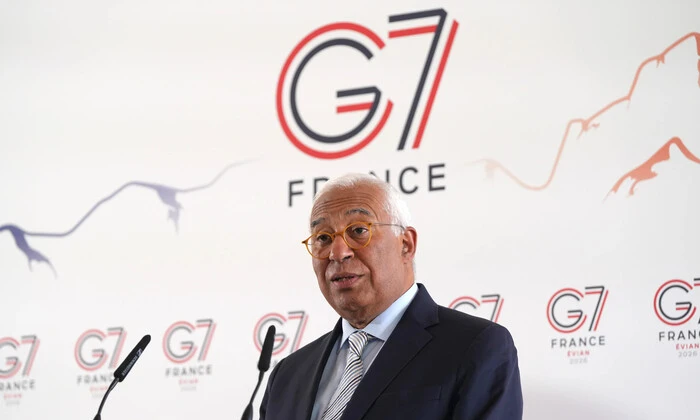
According to Главком: António Costa, the President of the European Council, is reportedly attempting to create an unofficial line of communication with the Kremlin to explore possibilities for ending the war in Ukraine. Costa’s top adviser has held two conversations with a high-ranking Russian official from President Vladimir Putin’s inner circle. However, neither the European Council president’s press office nor the Kremlin has officially acknowledged these contacts. Dmitry Peskov, spokesperson for the Russian leader, declined to comment on the matter.
Meanwhile, Moscow continues to push hardline demands. Russia is insisting that Ukraine hand over control of the entire Donetsk region, including areas that the Russian military has not yet managed to occupy. Additionally, the Kremlin opposes any deployment of European troops on Ukrainian soil. Ukraine has flatly rejected these conditions.
Leaders Consult and Positions Harden
Leaders from Germany, France, and the United Kingdom have each held separate consultations on strategies for engaging Russia in negotiations. European partners plan to coordinate their efforts with Ukrainian President Volodymyr Zelensky. President Zelensky has also commented on the potential role of Russian oligarch Roman Abramovich as an intermediary between Kyiv and Moscow. According to Zelensky, Abramovich has been briefed on Ukraine’s position and has promised to relay it to the Kremlin. Ultimately, all final decisions on negotiations rest solely with Vladimir Putin.
It is worth noting that the Russian dictator currently rejects calls for a ceasefire. Putin continues to blame the European Union for provoking the war, citing the EU’s support for Ukraine’s 2014 Revolution of Dignity and its use of the Minsk agreements to rearm the Ukrainian military. This situation underscores the complexity of the current political landscape and the lack of progress in peace talks.
The potential contacts between the European Council and the Kremlin highlight the deep tensions in relations between Russia and Western nations. While the European Union is seeking ways to establish dialogue, Moscow’s uncompromising demands complicate any negotiation process. The absence of headway in peace talks suggests that the path to peace remains extremely challenging, and diplomatic initiatives have yet to yield results.
As diplomatic efforts continue, Ukraine has expressed its willingness to engage directly with Putin, signaling a potential shift in the negotiation landscape. This development could influence the ongoing discussions and Costa's outreach to Moscow, highlighting the complex dynamics at play in resolving the conflict.

Read also