Russia's Invasion Has Damaged or Destroyed Over 4,000 Ukrainian Cultural Sites


Widespread Damage to Ukraine's Cultural Heritage
According to Главком: Russia's full-scale invasion has inflicted catastrophic damage on Ukraine's cultural landscape. According to data from Ukraine's Ministry of Culture and Strategic Communications, the aggressor has damaged or destroyed more than 4,000 cultural sites. This staggering total includes 1,685 heritage monuments and nearly 2,500 cultural infrastructure facilities. As of September 25, 2025, the official count documents 1,599 damaged heritage monuments and 2,415 damaged cultural infrastructure objects.
Kyiv and Kyiv Region Among the Hardest Hit
The capital city of Kyiv and the surrounding region rank among the areas suffering the most severe cultural losses. In Kyiv alone, 172 heritage monuments have been registered as damaged. Notable sites in the capital that have sustained damage include:
- The Oleksandr Dovzhenko Film Studio
- Numerous theater and museum buildings
Across the broader Kyiv region, destruction of varying severity has been recorded in 21 territorial communities.
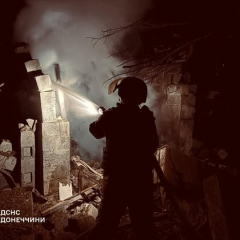
In early February 2026, a Russian strike drone damaged the building of the National Library of Ukraine for Children. The attack resulted in the destruction of 10 window units and a balcony door, alongside localized damage to the foundation, cracks in the walls, and defects in the interior finishes. This assault on Ukraine's cultural heritage is not isolated; damage has now been documented across 18 regions and 326 territorial communities, highlighting the vast geographic scale of the problem. The systematic targeting of cultural institutions is a hallmark of this conflict, aiming to erase Ukrainian identity.
The obliteration of these cultural sites inflicts profound harm on Ukraine's national heritage, with long-term societal consequences as communities are severed from their history and identity. Restoring the damaged objects will demand immense effort, resources, and sustained international support. This crisis underscores the critical need to protect cultural property during armed conflicts and to develop more robust international mechanisms for its safeguarding.

Read also