Russia Cuts Oil Production for a Second Time as Unsold Crude Stockpiles Hit 143 Million Barrels

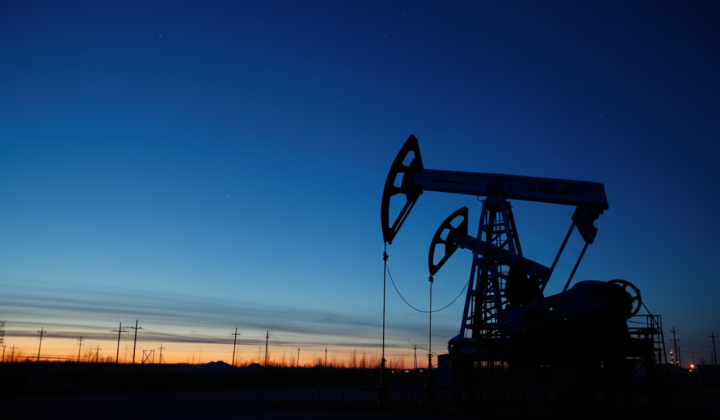
Russia's Oil Output Declines Again
According to ХВИЛЯ: For the second time in a single month, Russia has been forced to reduce its oil production in January 2026. This move is a direct result of significant export challenges stemming from international sanctions and the loss of traditional buyers. Consequently, massive stockpiles of unsold crude have accumulated, posing a serious threat to the nation's budget. While Russia is attempting to redirect its shipments to China, the overall situation remains difficult for its energy sector.
In January 2026, Russia's average daily crude output was 9.28 million barrels per day, a drop of 46,000 barrels from December. This production level is also nearly 300,000 barrels per day below its agreed OPEC+ quota. By early February, the volume of Russian crude held on tankers at sea had surged to 143 million barrels, nearly double the amount from a year ago and a quarter higher than the levels seen in November.
Impact on Refining and Revenue
The crisis is compounded by India's refiners suspending spot purchases of Russian cargoes. These combined pressures caused Russia's oil revenues in January to plummet to a five-year low. This is a critical blow to the federal budget, which last year relied on oil and gas revenues for 23% of its income. The global energy market continues to adjust to the sanctions regime imposed after Russia's invasion of Ukraine in 2022.
Russian Energy Minister Alexander Novak has expressed hope that global oil demand will begin to recover in March or April, but for now, the situation remains tense.
The ongoing production cuts have severe consequences for the Russian economy, which remains heavily dependent on hydrocarbon income. The ballooning volumes of oil idling on tankers indicate that, despite efforts to pivot exports to China, Moscow is struggling to secure new, stable markets. This decline in revenue is likely to impact future budget expenditures and social programs, underscoring the threat this situation poses to the country's economic stability.

Read also