Russia's Nuclear Allegations Against Britain: A Strategic Deception?

Moscow Levels Accusations at the UK and France
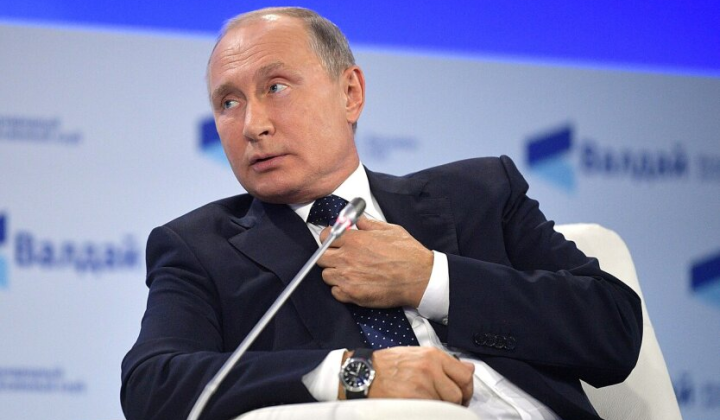
According to ХВИЛЯ: Russian officials have accused both the United Kingdom and France of supplying nuclear weapons and 'dirty bombs' to Ukraine. These claims have raised significant international alarm, as Moscow has suggested such actions could justify a tactical nuclear strike against London and Ukrainian territory. This rhetoric represents a dangerous escalation in nuclear saber-rattling.
The situation has drawn analysis from military experts, including British chemical weapons specialist Hamish de Bretton-Gordon. He posits that these accusations may be a tool for coercion and a warning of a potential false-flag operation designed to create a pretext for further aggression.
The Ukraine Conflict and Nuclear Bluffing
In an article for The Telegraph, de Bretton-Gordon argues that the Kremlin's statements likely aim to intimidate the West and legitimize its actions in Ukraine. He notes that while the Russian army is suffering heavy losses, the Kremlin continues to issue threats about the potential use of nuclear weapons.
The expert also highlights a curious discrepancy: France, which is similarly accused of supporting Ukraine, is not mentioned in the Kremlin's nuclear strike threats, despite possessing its own tactical nuclear arsenal. This selective targeting suggests a calculated political message rather than a purely military assessment.
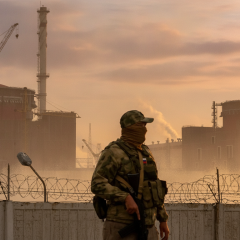
It is further relevant that the United Kingdom possesses only strategic nuclear weapons, which may imply certain limitations in its ability to respond to specific Russian threats with proportional force. In 2022, Russian forces removed spent nuclear fuel from the Chernobyl nuclear power plant, an act that underscores the grave risks present in the region.
Amid escalating tensions and ongoing warfare in Ukraine, the issue of nuclear bluffing and potential provocations is becoming increasingly urgent for European nations. The international community is growing more concerned that such threats, if repeated without consequence, could normalize the discourse of nuclear warfare.
In this context, it is crucial to recognize that the effectiveness of nuclear bluffs may gradually diminish as global anxiety over the associated risks intensifies. The situation in Ukraine continues to evolve, demanding that Europe develop effective strategies to preserve peace and stability, which will require both resolve and careful diplomacy.

Read also