After a 1,054-Drone Attack, Russians No Longer See the War as a Distant Conflict

Conflict Escalation: Drone Strikes and Russia's Response
According to Главком: Five years into Russia's full-scale invasion of Ukraine, the war no longer feels remote to the Russian public. This shift in perception became unmistakable following a wave of drone attacks on the Moscow region, widespread internet disruptions, and a scaled-back Victory Day parade. On the night of May 17, Russian air defense systems reported shooting down 1,054 Ukrainian drones over the preceding 24 hours. These strikes killed three people and wounded 12 others. The attacks came after a three-day ceasefire, which had allowed the May 9 parade to proceed.
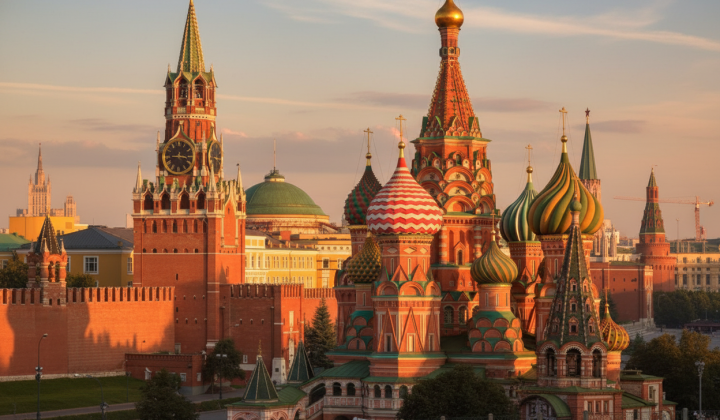
Moscow Mayor Sergei Sobyanin confirmed that between late Saturday and early Sunday, 81 drones were intercepted. One drone struck the grounds of a Moscow oil refinery, though production continued uninterrupted. Another hit an oil storage facility, sparking a fire that blanketed the area in thick black smoke. In response, several Moscow airports temporarily halted operations, causing dozens of flights to be delayed or diverted. A Ukrainian drone also crashed onto the territory of Sheremetyevo Airport.
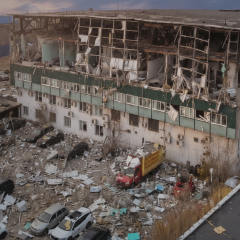
In a separate incident, a Russian missile destroyed a nine-story residential building in Kyiv, killing 24 people. These events unfolded after a brief, U.S.-brokered three-day ceasefire. The May 9 Victory Day parade on Red Square was notably shortened due to the drone threat, with no tanks, missiles, or heavy military equipment on display.
Government and Public Reaction
Moscow has demanded that Ukrainian forces withdraw from four annexed regions, a demand Kyiv has rejected. U.S. efforts to broker a halt to hostilities have been paused since the outbreak of war in Iran. The Russian government has restricted mobile internet access and blocked popular messaging apps, reinforcing its policy of information control. Public petitions submitted to the presidential administration reveal growing tension among citizens attempting to organize protests, though these efforts are quickly suppressed.
“The attack on the Moscow region is just retribution for the continuous and deadly Russian missile and drone strikes on Kyiv and other cities.”
Volodymyr Zelenskyy
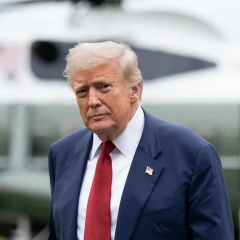
Meanwhile, Vladimir Putin claims that 'the war in Ukraine is nearing its end,' while Donald Trump believes 'the end of the war is very close.' Moscow resident Sergei Markov shared his experience: 'I woke up to the sounds of explosions last weekend as air defense systems fired at attacking drones.'
Against this backdrop, Dmitry Peskov emphasized that 'nuclear deterrence is designed to repel threats to Russia's existence.' With these statements and actions, the situation on the front remains tense, and both sides continue to articulate their demands and positions.
These developments underscore an escalation that is moving beyond traditional battlefields and becoming directly palpable to civilians in both nations. The strikes on Russian soil signal a shift in Ukrainian strategy, aimed at retaliating for missile attacks on civilian areas. At the same time, the Russian government's tightening of free speech and information access points to rising public anxiety and potential risks to stability within Russia.
The recent escalation of drone strikes in Russia highlights a concerning trend, as evidenced by the attack on a residential building in Ivano-Frankivsk. This incident emphasizes the intensifying conflict and raises questions about the safety of civilians on both sides. For more details on this tragic event and its implications, read about how Russia's attacks have affected civilian life.

Read also