Drone Strikes Disrupt Ukraine-EU Borders as Kyiv Seeks to Shift Customs Controls

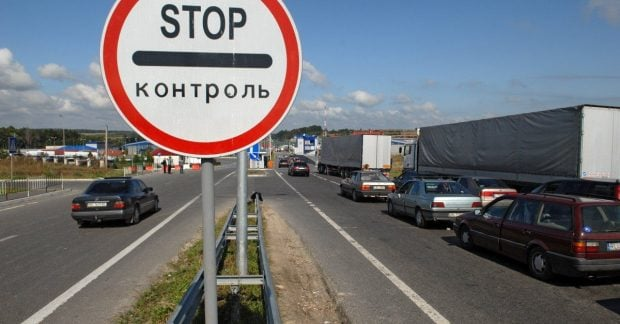
Current Situation at Ukraine's Borders
According to УНІАН — Туризм: Ukraine is facing persistent drone attacks from Russia targeting border crossing points with Romania, Moldova, and Poland. These assaults are causing long truck queues and severely hindering agricultural exports. In response, Kyiv is negotiating with Poland and Slovakia to relocate customs inspections for grain shipments. The drone strikes on freight vehicles at EU border crossings are creating major logistical challenges and significant delays.
In August, numerous attacks were recorded at checkpoints along the borders with Romania, Moldova, and Poland, leading to a backlog of over 1,200 trucks waiting to enter Ukraine at one crossing in Volyn region. These disruptions contributed to Ukraine’s agricultural exports falling to only 2.4 million tons in September, representing just 46% of the country’s export capacity. Meanwhile, drone attacks on maritime ports have effectively closed the Black Sea route, forcing Ukraine to increase reliance on road, river, and rail transport through European Union countries.
Economic Impact and Emerging Solutions
Ukraine is losing approximately €60 million in export revenue each day due to these disruptions. The nation's budget shortfall for 2024 is projected at €70 billion, adding further pressure on its economy. In September, border operations were intermittently halted during air raid alerts. On October 20, Poland announced its willingness to conduct border checks solely on its side if security threats intensify. The following day, Moldova began discussions about moving Ukrainian checkpoints onto its territory.
“This decision is driven by new security realities, where Russia deliberately targets our borders to disrupt logistics, transportation, and cargo movements across them.”
Georgiy Tykhyi, Head of Ukraine’s State Customs Service
Taras Vysotskyi, Deputy Minister of Agrarian Policy and Food, emphasized that “with Black Sea ports remaining largely inaccessible, our export capacity is effectively capped at 45-50%. This makes it crucial for Ukraine to maintain and expand alternative routes while cooperating with European partners to offset added logistical expenses.”
Overall, the border situation remains tense, requiring urgent measures to secure freight transport and sustain agricultural exports. The drone attacks not only complicate logistics but also deepen the economic challenges for Ukraine, where agro-exports are a vital revenue source. Ongoing talks with neighboring countries about shifting customs controls could prove essential for restoring stability in export channels.
The ongoing challenges at Ukraine's borders are not isolated incidents; they have led to significant cargo delays, with backups reaching up to nine days at the Ukraine-Poland border. To better understand the implications of these disruptions and the potential solutions being proposed, including Poland's offer to shift border checks, read more about the evolving situation here.

Read also