Russian kamikaze drones are vulnerable to icing: expert explains the reasons

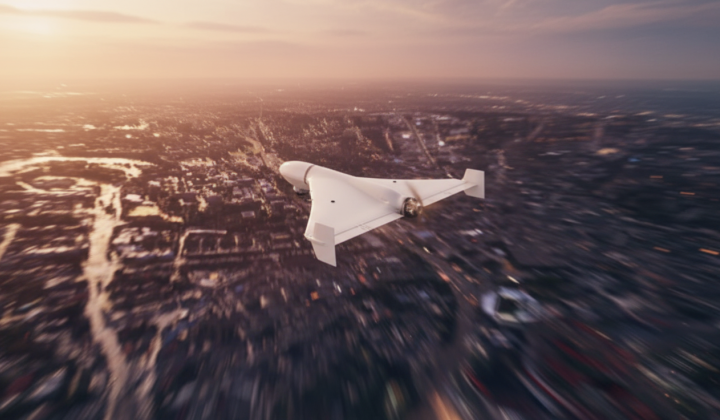
Vulnerability of Russian kamikaze drones to icing
According to ХВИЛЯ: Expert Serhiy Flesh reported on the vulnerability of Russian kamikaze drones to icing, which became a factor affecting their effectiveness during the recent strike on Ukraine. On the night of January 9, 2023, Russia conducted a combined strike on critical infrastructure facilities in Ukraine, using 278 air attack assets, about 150 of which were Shaheds.
Results of the strike and weather conditions
According to information, the Ukrainian Air Forces recorded 278 aerial targets, of which 244 were shot down or suppressed:
- 226 enemy drones,
- 8 ballistic missiles of the 'Iskander-M' type,
- 10 cruise missiles 'Kalibr'.
The main direction of the strike was focused on Kyiv Region.
Serhiy Flesh noted that certain weather conditions are necessary for icing drones: high humidity or rain, as well as a sharp temperature drop in the air from positive to negative. This phenomenon is usually observed in the temperature range from -5 to +5 degrees. When asked if such weather conditions existed in Ukraine yesterday, Flesh answered affirmatively, stating that this could have affected the performance of kamikaze drones during the attack.
This information emphasizes that weather conditions can significantly influence the effectiveness of air attack assets, which should be taken into account when planning military operations. - Serhiy Flesh
The vulnerability of drones to icing may become an important factor in future military tactics, as weather changes can alter the course of hostilities. Considering such aspects can help both Ukrainian and Russian militaries in planning their attacks and defensive strategies in changing climate conditions.

Read also