Trump Administration to Enforce Stricter AI Chip Export Regulations in 90 Days


Closing the Loophole to American Chip Access
According to НВ — Техно: The Trump administration has decided to eliminate a loophole that previously allowed China to access American semiconductor chips by renting computing power in Southeast Asian data centers. Set to take effect in 90 days, the new regulations will enhance export controls and require licenses for advanced chip sales to companies in countries considered high-risk for technology diversion, including China, Russia, and Iran. Data centers will now be obligated to verify their customers, aiming to block unauthorized access to critical technologies.
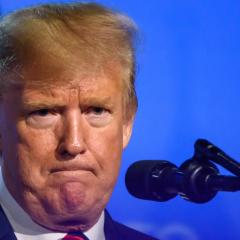
The U.S. Department of Commerce released these interim final rules following directives from the Treasury Department and the National Security Council. Key figures behind this policy include U.S. Commerce Secretary Howard Lutnick and Treasury Secretary Scott Bessent. Lutnick emphasized his central role in shaping export restriction policies. However, the Commerce Department had delayed implementing these restrictions over the past year. President Trump has expressed support for limiting China’s chip access on three occasions, noting that 'one cabinet member favors friendly ties with China, while another pushes confrontation.'
Chip Export Challenges and Diplomatic Developments
The situation is further complicated by a scandal involving former Nvidia CEO Jensen Huang, who is linked to a Singapore-based Megaspeed employee suspected of spying for China. Amid these tensions, Trump is preparing for a trip to China to attend the APEC summit, where he is scheduled to meet with Xi Jinping and Vladimir Putin in a trilateral session. However, export control issues are not expected to be on the agenda. China's Foreign Ministry spokesperson Mao Ning criticized the export restrictions, stating they disrupt global industrial and supply chains and that 'the consequences of imposing these export controls do not benefit any party.'
These new chip export rules could significantly impact U.S.-China relations as well as the broader global technology supply chain. Companies operating in this sector may face increased compliance challenges due to tighter regulations. Meanwhile, Trump’s upcoming visit to China, which will avoid discussing export controls, suggests an effort to maintain diplomatic engagement despite ongoing technological tensions.
In light of these new export regulations, the controversy surrounding Jensen Huang's connections to a suspected spy has intensified, raising questions about the impact of personal relationships on national security. For more insights into how Trump is addressing this delicate situation, read our article on Trump's response to Huang's relationship with the spy suspect.

Read also