From Captivity to Recovery: How Ukraine Treated and Exchanged a Wounded Russian Soldier

The Story of Artem Mubarakshin
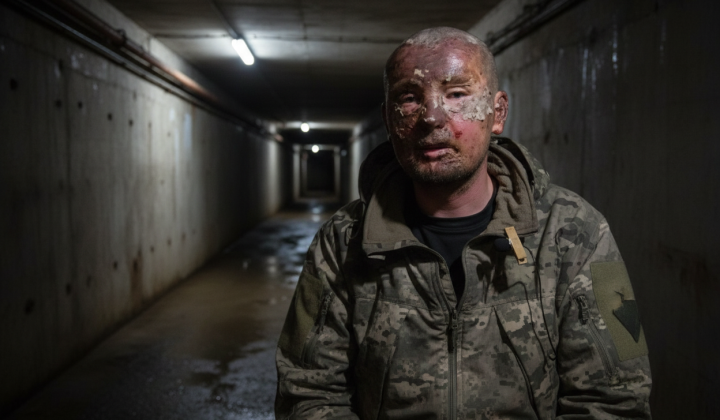
According to Главком: Artem Mubarakshin, a Russian soldier serving as a driver, was captured after sustaining severe injuries while on a mission. He had been dispatched to deliver supplies to the city of Yampil when his unit came under fire. The building his group was in caught fire, and only two men from the unit survived, including Mubarakshin himself. He suffered grave wounds, with his face almost completely burned.
Capture and Medical Care
Following his capture, Mubarakshin received medical assistance. Ukrainian doctors treated his injuries, and he spent approximately two weeks in a hospital undergoing bandage changes and receiving medication. Thanks to this treatment, by the time of his prisoner exchange, he was discharged from the hospital with his face fully healed and without scars.
Artem Mubarakshin commented on his circumstances, stating:
“I was sent not on a combat mission, but on a suicide mission.”
He also described the horrific conditions faced by his comrades:
“Only two people from my group survived-me and another guy. We barely made it out of the burning building.”
At the same time, he emphasized that he was not mistreated in captivity, saying: “No one beat me, no one tortured me here. All that is complete nonsense that they tell us on television.”
Mubarakshin also expressed gratitude to the medical staff, stressing: “I am being treated, I am being fed, I am full, shod, and warm.” In closing, he urged those considering going to war to think carefully about the consequences: “Those who are planning to go to war, let them think hard about whether they are ready for it and whether they are ready to die.” Information about his case was published in the 'I Want to Find' project.
This incident highlights the brutal realities of frontline combat for soldiers. The case of Artem Mubarakshin and his testimony shed light not only on the horrors of war but also on the difficulties soldiers face on the battlefield and the potential consequences for those who decide to participate in the conflict. His remarks about the absence of brutal treatment in captivity may also point to varying approaches in handling captured military personnel. This case could become a significant element in discussions about the humane treatment of combatants during wartime.

Read also