Iran Policy Splits Trump's Base as Some Republicans Blame Israel

Division Within Trump's Political Base
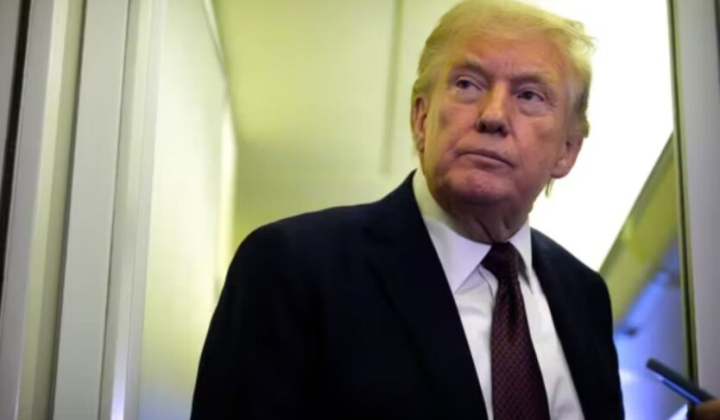
According to ХВИЛЯ: Analyst Tigran Avakyan, speaking on political commentator Yuriy Romanenko's broadcast, reported a significant rift within Donald Trump's political base, triggered by the military campaign against Iran. Avakyan stated that a faction of American politicians is accusing Israel of dragging the United States into a war, a claim that has provoked outrage among some political elites. He specifically noted that the MAGA (Make America Great Again) movement has fractured into two camps: one supporting the war effort and another advocating for a focus on America's domestic priorities.
Israel's Role and Senatorial Opinions
Avakyan highlighted that several U.S. senators have recently made statements on this issue, with sentiments echoing the following:
“Israel forced us into this, Israel made us do it” – Tigran Avakyan
He stressed that making such declarations is damaging, as it undermines the United States' status as the world's leading power. “If America can be forced by Israel, then what does America even represent? How can you call yourself the primary pole that controls the globe?” Avakyan questioned.
Sociological data presented during the broadcast indicates that approximately 45% of the U.S. population does not want to participate in the upcoming election and plans not to vote for anyone. Furthermore, 60% of the population supports the notion that instead of an 'America First' policy, an 'Israel First' approach has been chosen. Avakyan remarked: “Clearly, in such a situation, blame must be shifted onto someone. It doesn't really matter if it's Israel, Suriname, someone has to be at fault, in principle.”
Thus, the situation surrounding the military campaign against Iran and Israel's position continues to be a topic of vigorous debate within U.S. political circles, signaling rising tension among both voters and politicians. This foreign policy debate is occurring against the backdrop of a highly polarized American electorate ahead of a major election cycle.
The split within Trump's political base reflects broader trends in American society, where questions of foreign policy and international alliances are becoming increasingly contentious. Given that a significant portion of the population opposes active U.S. involvement in international conflicts, politicians may be forced to adapt their platforms to these new realities to maintain voter support.
The ongoing debate about the military campaign against Iran is further complicated by changing sentiments toward Israel among the American public. Recent data suggests a significant shift in perception, with more citizens expressing disapproval of Israeli actions than ever before. To explore this evolving landscape of public opinion and its implications for U.S. foreign policy, read more about the historic shift in U.S. attitudes toward Israel.

Read also