What Guarantees Does the U.S. Demand? Rubio Responds to Iran’s Offer

U.S. Skepticism Toward Iran’s Proposal
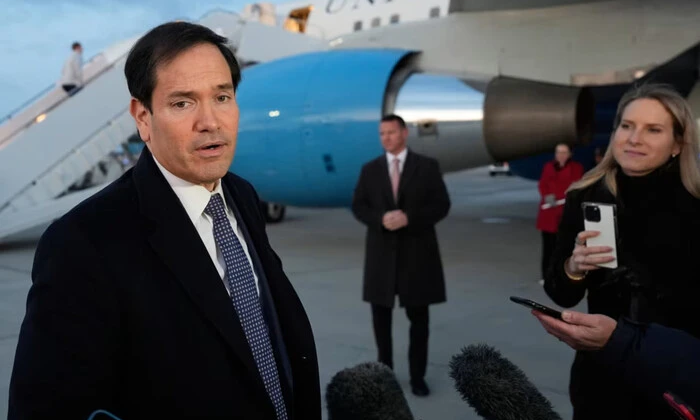
According to Главком: U.S. Secretary of State Marco Rubio expressed doubts about Iran’s proposal during a Fox News interview. The offer involves halting the blockade of the Strait of Hormuz and ending the war in exchange for the removal of U.S. sanctions. However, Iran insists on postponing nuclear program talks, which has raised concerns in Washington. Rubio emphasized that the United States cannot allow Iran to evade accountability, and any future agreement must include guarantees that permanently prevent Tehran from rapidly developing nuclear weapons.
Iran’s proposal was relayed to the U.S. through Pakistani intermediaries. The first round of negotiations between the U.S. and Iran concluded on April 12, but the parties failed to reach an agreement due to disagreements over the nuclear program. Rubio noted that he has ‘no doubt about the desire of the current radical regime to eventually obtain nuclear weapons,’ which remains a fundamental and key issue that requires a final resolution.
Washington’s Stance
Furthermore, Rubio stated that
“Washington will not allow a situation where Iran unilaterally controls the movement of ships through this strategic route or demands payment for passage.”
Thus, the U.S. position remains firm, and Washington will insist on safeguarding its interests in the region, regardless of Tehran’s proposals.
This situation reflects the escalating tensions between the U.S. and Iran, which have persisted for several years. The lack of progress in nuclear program negotiations and the unacceptability of blocking strategic waters could lead to further diplomatic and economic sanctions. At the same time, Washington’s stance is critically important for regional stability, as control over the Strait of Hormuz remains a strategic interest for many nations, including the U.S. and its allies.
As tensions continue to escalate, the situation surrounding the stalled nuclear negotiations with Iran has become increasingly precarious. The U.S. remains wary of Iran's intentions, especially in light of their insistence on postponing discussions about their nuclear program, which complicates the potential for a stable resolution.

Read also