Up to €30,000 Available for Young Sardinian Residents with Jobs – How to Apply by 2028

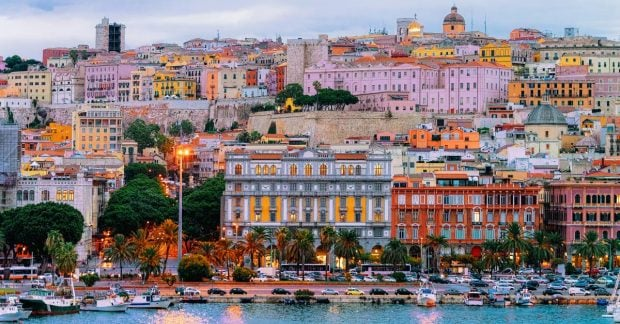
Sardinia's 2026–2028 Support Program
According to УНІАН — Туризм: Between 2026 and 2028, Sardinia will offer grants of up to €30,000 to new residents under 40 years old who are already employed. The initiative is backed by a total budget of €56 million, with €8 million allocated for the first year. Applications must be submitted by November 29, 2025, via certified email.
The maximum non-repayable grant of €30,000 is designated for those relocating to communities with fewer than 5,000 inhabitants. The baseline aid amount starts at €20,000. Eligible applicants include employees, freelancers, and entrepreneurs who have secured employment at the time of application and who move to Sardinia from January 1, 2026 onward. Approved recipients must register their residence on the island within six months and commit to living there for at least five years. Priority is given to healthcare professionals and social workers.
Addressing Population Decline and International Comparisons
Sardinia continues to face a shrinking population, with a decrease of 8,072 residents recorded in 2024. The island’s total fertility rate is just 0.85 children per woman, the lowest in Italy. According to the Italian newspaper Avvenire, the €8 million budget for the first year could support approximately 266 to 400 individuals.
Similar relocation incentives exist elsewhere:
- The Swiss alpine village of Albinen offers adults CHF 25,000 and CHF 10,000 per child to attract new families.
- Ireland provides up to €70,000 for people moving to one of 30 islands without mainland connections.
This Sardinian program is part of broader regional efforts to reverse demographic decline. As Alessandra Todde emphasized:
“Leaving should always remain an option, but returning must become a viable choice.”
The initiative reflects local government strategies to attract young professionals who can contribute to the island’s economic vitality. In a global competition to retain and grow populations, such incentives are increasingly common among regions aiming to sustain and revitalize their communities.

Read also