Radiation Detected on R-60 Missile Fragments After Drone Strike, Ukraine's SBU Reports

Yuriy Ihnat Weighs In on Russia’s Use of R-60 Missiles
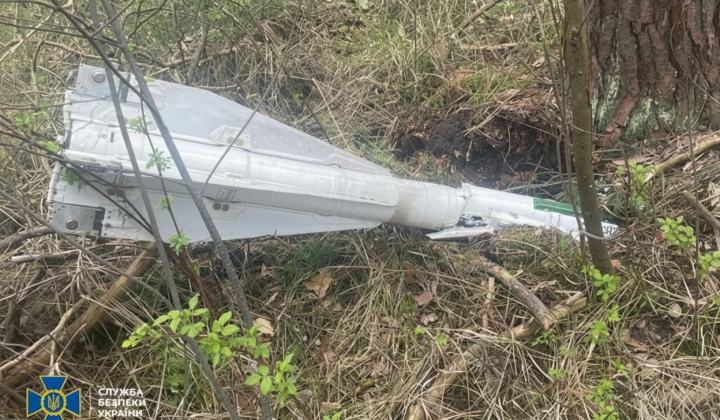
According to Главком: Yuriy Ihnat, head of communications for Ukraine’s Air Force Command, addressed Moscow’s deployment of R-60 missiles containing depleted uranium. According to findings released by the Security Service of Ukraine (SBU), elevated radiation levels were recorded on debris from a Russian R-60 missile following an attack on the Chernihiv region on May 21, 2026. The missile had been mounted on a modified Geran-2 attack drone. Fragments of the weapon were recovered near the village of Kamka.
Risks Tied to Depleted Uranium Munitions
The R-60 is an air-to-air missile system used by Russian forces to target Ukrainian aircraft and helicopters. Ukraine’s State Nuclear Regulatory Inspectorate considers the risk of external radiation exposure from solid depleted uranium components to be low. However, internal exposure hazards may arise through contact with dust or aerosols containing depleted uranium.
Ihnat remarked that he was 'surprised myself' to learn such missiles were being used, adding: 'It’s an alloy, the uranium is inactive… This is a standard alloy used in that old Soviet missile.'
The use of depleted uranium warheads underscores the intensifying military operations in Ukraine and the potential health risks for civilians. Given reports of heightened radiation levels, this development could prompt further investigation into environmental and public safety impacts in the affected area. It also raises concerns among international stakeholders about the broader consequences of such tactics in the ongoing conflict.
The recent findings regarding radiation levels on missile debris highlight the urgent need for further scrutiny of the environmental implications of such military actions. For a deeper understanding of this alarming situation and its potential impact on public health, read more about the radiation detected in Chernihiv.

Read also