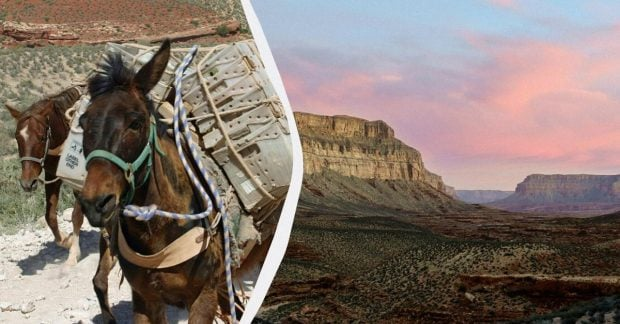
Supai Village in Arizona’s Grand Canyon: How Mules and Donkeys Navigate Narrow Trails to Deliver Supplies

Supai Village
According to УНІАН — Туризм: Hidden deep within Arizona’s Grand Canyon, Supai Village is home to about 200 members of the Havasupai Tribe. Recognized as one of the most isolated communities in the continental United States, it remains inaccessible by car. The village lies roughly 13 kilometers from the closest road, making supply delivery a challenging task. Essential goods like food, medicine, and mail are transported by mules and donkeys along narrow, rugged trails.
Descending into the canyon takes about three hours, while the return trek uphill can last up to five hours. Governed independently by the Havasupai people, Supai is not under the jurisdiction of Grand Canyon National Park. Surrounded by towering cliffs, lush vegetation, and breathtaking scenery, the village offers a rare glimpse into a lifestyle deeply connected to nature.
Havasu Falls
Near the village lie the famous Havasu Falls, renowned for their stunning turquoise waters. These waterfalls are a major draw for visitors, attracting tourists from around the world. However, access is strictly managed by the Havasupai community, and visitors must adhere to tribal regulations to preserve the area’s integrity.
The Smithsonian Institution highlights the crucial role of pack animals in this remote community, stating,
“these animals are vital in maintaining the connection between the tribe and the outside world.”
Beyond their role in transporting supplies, mules and donkeys help sustain the tribe’s link to modern society. Arizona itself is celebrated for its diverse landscapes, which include deserts, canyons, and iconic sites like Antelope Canyon and Monument Valley, famed for their striking sandstone formations and dramatic rock structures.
Supai Village exemplifies a unique way of life that blends indigenous traditions with the rugged beauty of the Grand Canyon. The Havasupai tribe and their village represent a significant part of America’s cultural heritage, preserving a lifestyle that has endured for generations. Amid contemporary challenges such as cultural preservation and economic development, the community carefully manages tourism to protect both their natural environment and cultural identity. This approach underscores the importance of maintaining a harmonious relationship with nature and upholding traditional practices in today’s globalized world.

Read also