Muscle Health as a Key Dementia Risk Factor: Body Weight’s Differing Impact Before and After Age 65

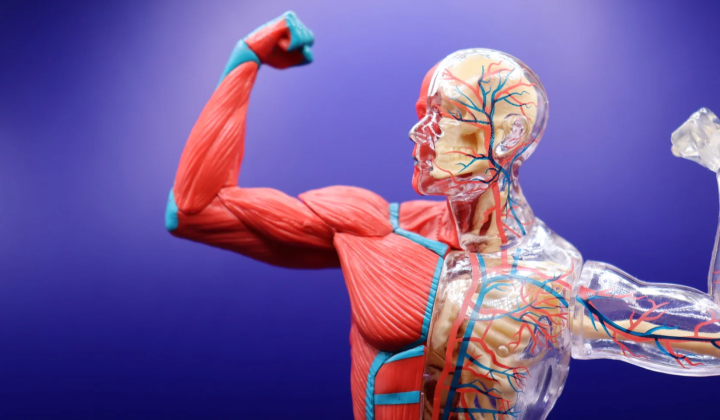
Muscle Strength: A Crucial Defense for Brain Health
According to НВ — Техно: Researchers from Curtin University in Australia conducted an extensive review of over 80 global studies, revealing that muscle condition plays a far more significant role in dementia risk than overall body weight. Their findings show that sarcopenia-a condition marked by progressive loss of muscle mass, strength, and coordination in older adults-increases the likelihood of developing dementia by 42%.
How Fat Tissue Influences Dementia Risk Across Ages
The study also highlights that the effect of body fat on dementia risk varies with age. For individuals under 65, excess weight raises dementia risk by around 9%. Conversely, for those over 65, obesity appears to reduce the risk by 17%. Despite these insights, only four studies have examined sarcopenic obesity, indicating a significant gap in current research.
It’s important to recognize the enormous societal impact of dementia, with its economic burden estimated at nearly three trillion dollars annually. Mario Siervo, one of the lead researchers, emphasized the complexity of these findings:
“This does not mean people should intentionally gain weight as they age. The data simply reveals that the relationships between body weight, brain aging, and muscle depletion are far more intricate than previously understood.”
Preventive strategies such as consistent physical activity, adequate protein intake, and maintaining muscle resilience are vital to slowing cognitive decline and reducing dementia risk. This research underscores the necessity of preserving muscle mass to support cognitive health in older adults.
By shedding new light on dementia risk factors, this study paves the way for developing improved prevention approaches that focus on physical fitness and muscle maintenance. Such strategies could significantly alleviate the financial strain dementia places on society and enhance quality of life for the aging population.
Understanding the intricate relationship between body composition and health outcomes is vital, especially when considering factors like how visceral fat affects hormone levels. This connection further emphasizes the importance of muscle maintenance and its impact on dementia risk, shedding light on the multifaceted nature of aging and health.

Read also