Slovakia Could Join Hungary in Blocking a €90 Billion EU Loan to Ukraine

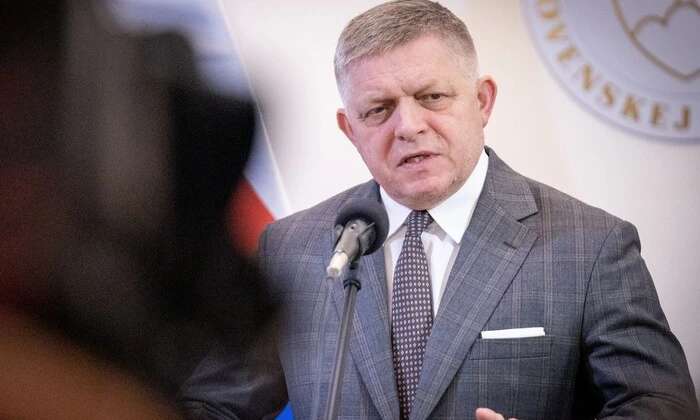
Statement from Slovakia's Prime Minister
According to Главком: Slovak Prime Minister Robert Fico has indicated his country may support Hungary in blocking a €90 billion European Union loan for Ukraine. Fico made these remarks in an interview with the publication Aktuality. This potential move follows Hungarian Prime Minister Viktor Orbán's existing veto of the loan package, which has already caused significant division at a European Council summit in Brussels. The EU's financial support is a critical component of Ukraine's long-term stability and reconstruction efforts.
Reaction to Orbán and Fico's Actions
At the summit, Orbán and Fico were the only EU leaders who refused to sign the final conclusions regarding support for Ukraine. Orbán's decision to block the loan provoked sharp criticism from other EU leaders, as Hungary, Slovakia, and the Czech Republic had previously assured they would not obstruct other member states' decisions on funding for Ukraine. In Brussels, there is a belief that Orbán initially agreed to the funding in December before later moving to block it.
“Viktor Orbán is politically correct. Zelenskyy cannot govern the European Union.” - Robert Fico
These comments underscore Slovakia's stance on the Ukrainian issue within European politics. Additionally, a group of EU diplomats and a minister from one government has spoken of potential consequences for Hungary following its elections. This situation highlights a growing rift among EU member states over support for Ukraine, which could impact the European Union's unity on foreign policy. The loan blockade raises serious concerns in the context of the ongoing war in Ukraine and the country's urgent need for financial support for recovery. Given the existing disagreements between member states, the future actions of Hungary and Slovakia may become a decisive factor in shaping EU policy toward Ukraine.
As tensions rise within the EU regarding support for Ukraine, it's important to consider the broader implications of these decisions. Recent statements from Italian leaders suggest a complex dynamic, as Meloni's office has denied any alignment with Orbán's position on blocking aid, highlighting the fractures among member states. This ongoing debate may significantly influence future EU foreign policy and aid strategies.

Read also