Overwhelmed by Tourists, a Slovak UNESCO Village Considers Giving Up Its Status

Mass Tourism Strains the Small Village of Vlkolínec
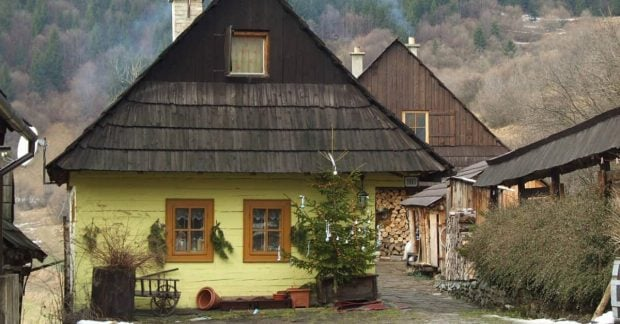
According to УНІАН — Туризм: Located in the northern part of the Western Carpathians in Slovakia, the village of Vlkolínec has become a focal point due to challenges brought on by mass tourism. Since being added to the UNESCO World Heritage list in 1993, this tiny settlement-home to only 17 permanent residents-now receives roughly 100,000 visitors every year. Locals are increasingly concerned about the loss of privacy and tranquility in their homes.
“The situation has gotten so bad that the village no longer offers the peace and quiet that once drew people to live here,” said resident Peter Gris.
Vlkolínec is grappling with serious infrastructure issues. Residents frequently complain about:
- a narrow access road;
- insufficient parking spaces;
- a lack of public restrooms.
“The village simply doesn’t have the infrastructure to handle this many tourists,” the majority of locals stated. Meanwhile, 68-year-old resident Anton Zabucha has put up signs reading 'Private Property,' 'No Entry,' and 'No Photography,' reflecting his desire to protect the privacy of his home.
To address the situation, local authorities are planning several projects, including:
- restoring the church and school;
- building additional public toilets;
- creating a parking lot at the village entrance.
Each resident receives around 400 euros per year as compensation for the disruptions caused by the flood of tourists. “The tourist influx affects my daily life,” Zabucha emphasized, adding that “giving up UNESCO status could bring peace back to the village.”
Comparison with Other Tourist Destinations
For context, consider the Dutch village of Giethoorn, which has no roads-only canals and over 170 wooden bridges. Giethoorn welcomes nearly a million tourists each year and has about 2,800 permanent residents. This comparison highlights the unique pressures faced by Vlkolínec as a result of mass tourism.
Local officials are currently seeking ways to reduce the tourist burden on the community. “The number of people coming to the village is truly excessive,” noted a tourist from Germany, stressing the need to find a compromise between preserving cultural heritage and addressing the needs of local residents.
The situation in Vlkolínec illustrates the difficulties small communities encounter when they become popular tourist destinations. On one hand, UNESCO status can bring economic benefits, but on the other, it puts pressure on local infrastructure and residents’ quality of life. Striking a balance between tourism development and protecting the rights of locals is essential to preserving this unique cultural heritage. Implementing new projects and managing tourist flows may be key to solving the problem.

Read also