What to Bring from Spain: Popular Souvenirs, Gifts, Local Products

Spain remains a popular tourist destination that stays relevant. However, not all tourists know what to bring from this country and which souvenirs to choose first to avoid overpaying.
Traditional Gastronomic Souvenirs from Spain
Spain is a country where the souvenir selection is closely linked to local culture, gastronomy, crafts, and regional characteristics. Here you can easily find a gift not only for a tourist, but also for someone who appreciates quality products, natural cosmetics, original clothing, or household items. The assortment varies significantly depending on the city: in Barcelona, Catalan products and modern design are popular, Andalusia is famous for ceramics and olive oil, Valencia is known for traditional crafts, and the Basque Country has its own gastronomic and cultural symbols. At the same time, some of the goods sold in tourist areas are mass-produced souvenirs, so it is worth paying attention to the origin of the product and its composition. Items made by local craftsmen or products with specific geographic origin are especially valued. For a gift, you can choose either a small symbolic item or a complete gastronomic set. The most common things brought from Spain are olive oil, sweets, spices, ceramics, textiles, leather goods, and cosmetics. A good souvenir does not necessarily have to be expensive, as its value often lies in how well it conveys the atmosphere of the country.
Spanish gastronomy is one of the most convenient options for gifts, as many local products come in compact packaging and store well during travel. One of the most popular purchases remains extra virgin olive oil. Spain produces a huge amount of olive oil, and the taste of the product can vary significantly depending on the type of olives and the region. For a gift, it is better to choose a small bottle with well-protected packaging. An interesting option is also olive oil with flavored additives, such as herbs, garlic, or citrus.
Spanish canned goods deserve special attention. Seafood, mussels, sardines, anchovies, and other products in decorative cans can make a practical yet original gift. Such sets often have beautiful packaging, so they can be purchased even for someone who is not very interested in typical souvenirs. Another option is saffron and other spices for making paella. A small package takes up little space but allows you to bring home one of the characteristic flavors of Spanish cuisine.
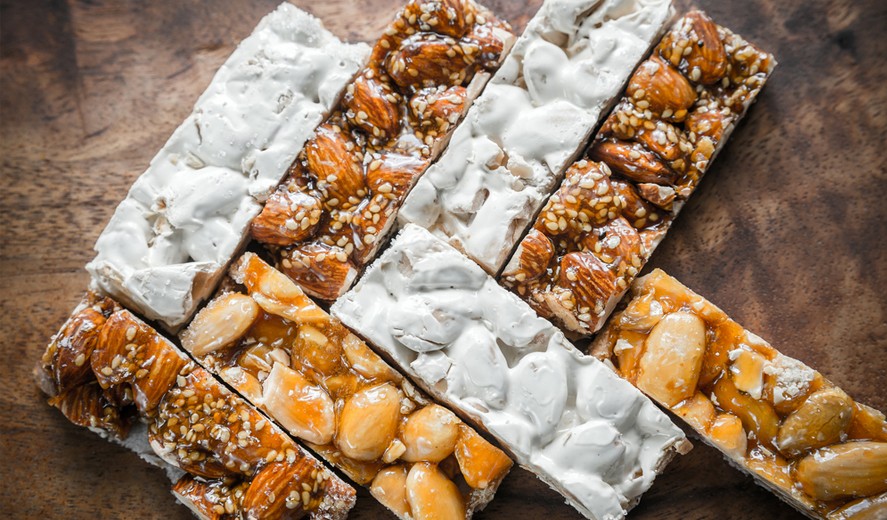
Spanish sweets remain popular. Among them, you can find turrón - a traditional dessert made from almonds and honey, especially associated with the Christmas period. There are hard and soft variations of turrón, and modern producers offer numerous flavors. It is also worth paying attention to almonds, caramelized nuts, chocolate, cookies, and regional sweets. For a gift, it is convenient to form a small set of several products, each with a different flavor.
Alcohol and Local Delicacies
Spain has a very diverse winemaking culture, so a bottle of local wine can become one of the most characteristic gifts. The choice depends on the region, as different parts of the country specialize in their own varieties and styles of production. For a gift, you can consider red wines, white wines, coffee - traditional sparkling wine from Catalonia, as well as sherry from Andalusia. If you are unsure about a specific variety, it is better to focus on regional origin and recommendations from the seller.
A separate category is Spanish sherry. This drink has a long production tradition in Andalusia and differs from regular wines by its unique aging technology. For a person interested in gastronomy, a bottle of sherry can be much more interesting than a standard souvenir from a tourist shop. In Catalonia, you should pay attention to coffee, which is used as a festive drink and has its own history.
Among strong alcoholic beverages, Spanish brandies and local liqueurs are well-known. In different regions, you can find drinks based on herbs, fruits, or nuts. At the same time, when buying alcohol for transport, it is important to consider the rules of the destination country and customs regulations, especially if the trip continues through several countries.
Equally interesting gastronomic souvenirs are ham and other meat delicacies. Ham has various quality categories, and its taste depends on the breed of pigs, the way they are raised, and the aging duration. For travel, vacuum packaging is more practical, making it easier to transport. Popular Spanish cheeses, olives, pâtés, and sauces are also available. Just be sure to check the rules for bringing animal products into the country you plan to return to in advance.
Spanish Cosmetics and Care Products
Spanish cosmetics is another direction to consider instead of traditional magnets and postcards. The country is home to many producers of skin, hair, and body care products. Products based on olive oil, aloe vera, almond oil, citrus, and other plant components are especially popular. These products often have an understandable purpose and are suitable for small gift sets.
In Spain, you can buy hand creams, facial moisturizers, masks, shampoos, conditioners, soaps, and body care products. In tourist cities, you can find sets with local aromas that remind you of the Mediterranean. The practicality of such a gift lies in the fact that it is not just kept as a souvenir but is used in everyday life.
A separate focus is on sun protection cosmetics, which logically relates to the climate of many Spanish regions. After-sun products and skin moisturizing products are also popular. It is better to buy cosmetics in regular stores, pharmacies, or specialized networks where you can check the composition, expiration date, and storage conditions.
For a gift, you can choose a small set of cream, soap, and body lotion. If cosmetics are purchased for a specific person, it is important to consider their skin type, possible allergic reactions, and personal preferences for scents. A natural composition does not guarantee the absence of individual reactions; therefore, universal products without overly active components are often a safer choice for a gift.
Clothing, Footwear, and Accessories from Spanish Brands
Spain has strong positions in the fashion industry, so clothing and accessories can be a much more practical souvenir than decorative trinkets. In large cities, you can find a wide selection of both international brands and local designers. Leather goods, footwear, bags, belts, and wallets are particularly popular.
Leather products have a long tradition in various regions of the country. When buying, pay attention to the material, stitch quality, hardware, and information about the manufacturer. A good leather bag or wallet can last for many years while serving as a reminder of the trip.
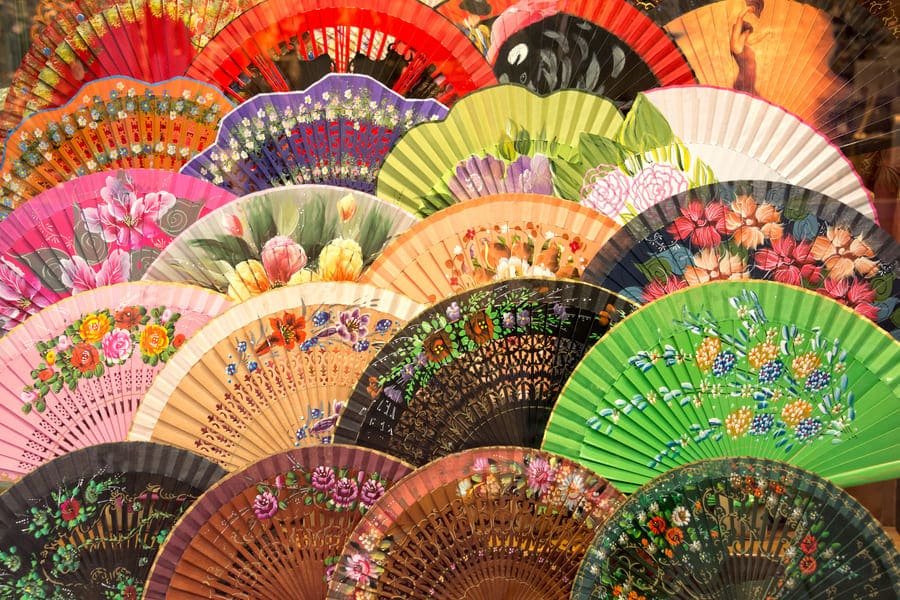
Among the accessories, you can find sunglasses, scarves, hats, jewelry, and belts. Spain is characterized by a combination of practicality with bright details, so even a basic wardrobe item can have an expressive Mediterranean character. An interesting gift could be a fan, especially if it is made by a local craftsman and not as a mass souvenir.
For a fashion enthusiast, you can purchase an item from a Spanish brand, but be sure to consider the size of your luggage and the transportation conditions. It is better to buy clothing in stores where you can check the fabric composition and product origin. At the same time, not every item with the label ‘Made in Spain’ is automatically a traditional Spanish souvenir, so for a more authentic gift, it is better to look for local design or regional production.
Ceramics, Textiles, and Handmade Products
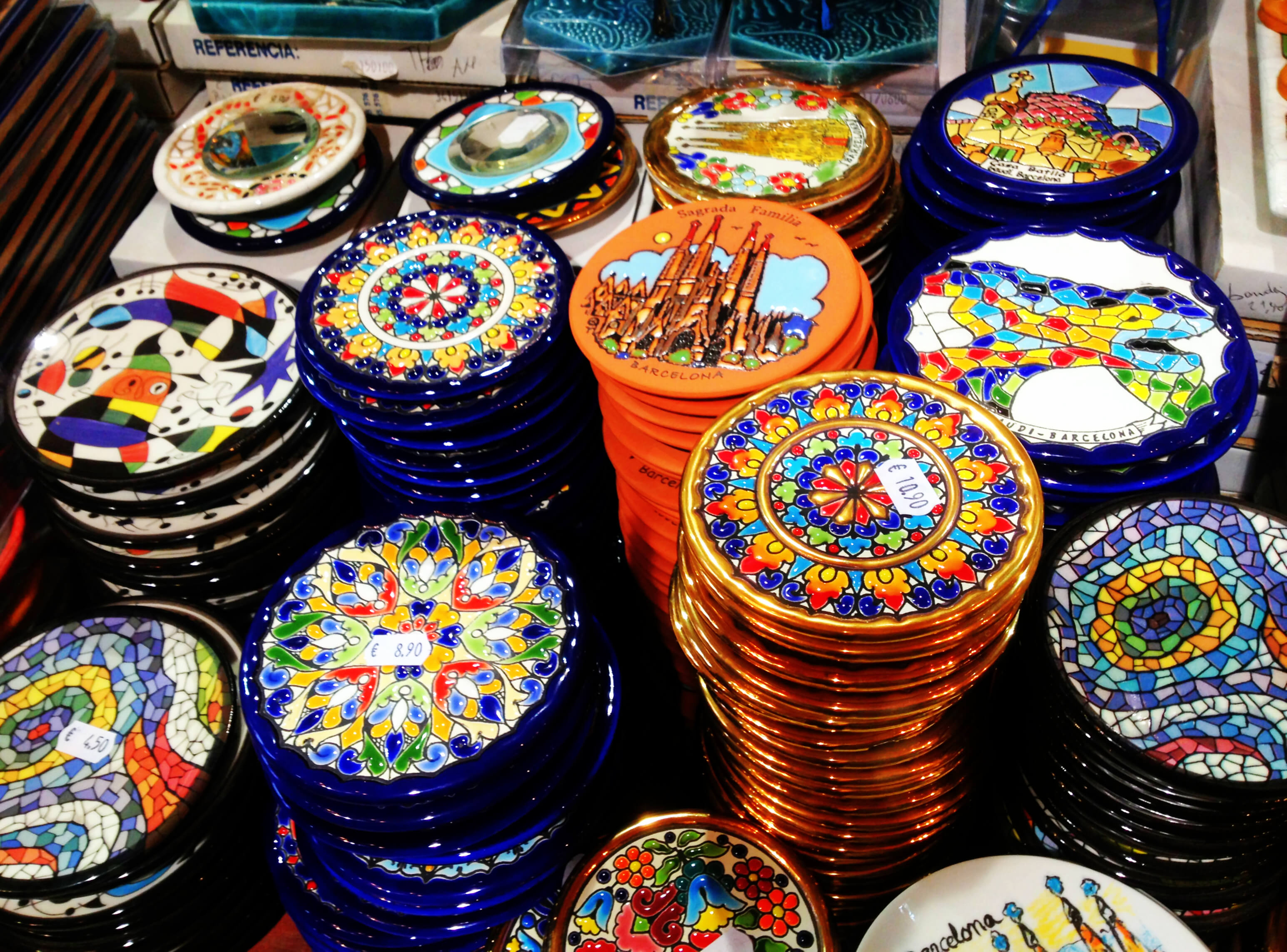
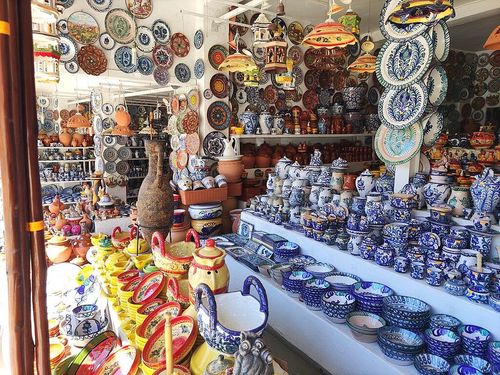
Ceramics is one of the best options for those who want to bring back from Spain an item that has decorative value. Different regions of the country have their own styles, colors, and techniques for decorating ceramic products. These can include plates, cups, bowls, vases, decorative tiles, or small figurines.
Items with traditional ornaments look particularly interesting. They can vary by region, so a ceramic item from a specific city often has more cultural significance than a standard souvenir with a general ‘Spain’ label. Before purchasing, check if the item is suitable for contact with food if you plan to use it in the kitchen.
Equally characteristic gifts include Spanish textiles. You can buy tablecloths, towels, blankets, decorative napkins, or fabric accessories. In some regions, products with characteristic geometric patterns and vibrant colors are popular. This gift is convenient because it takes up less space than ceramics and is less likely to get damaged during transportation.
Among handicraft products, you can find wooden items, woven baskets, decorative boxes, leather accessories, and designer jewelry. For greater authenticity, it is best to purchase them in workshops, at local fairs, or in stores specializing in local producers’ products. Handmade items may have slight variations in shape or color, but these confirm their individuality.
Gifts and Souvenirs from Different Regions of Spain
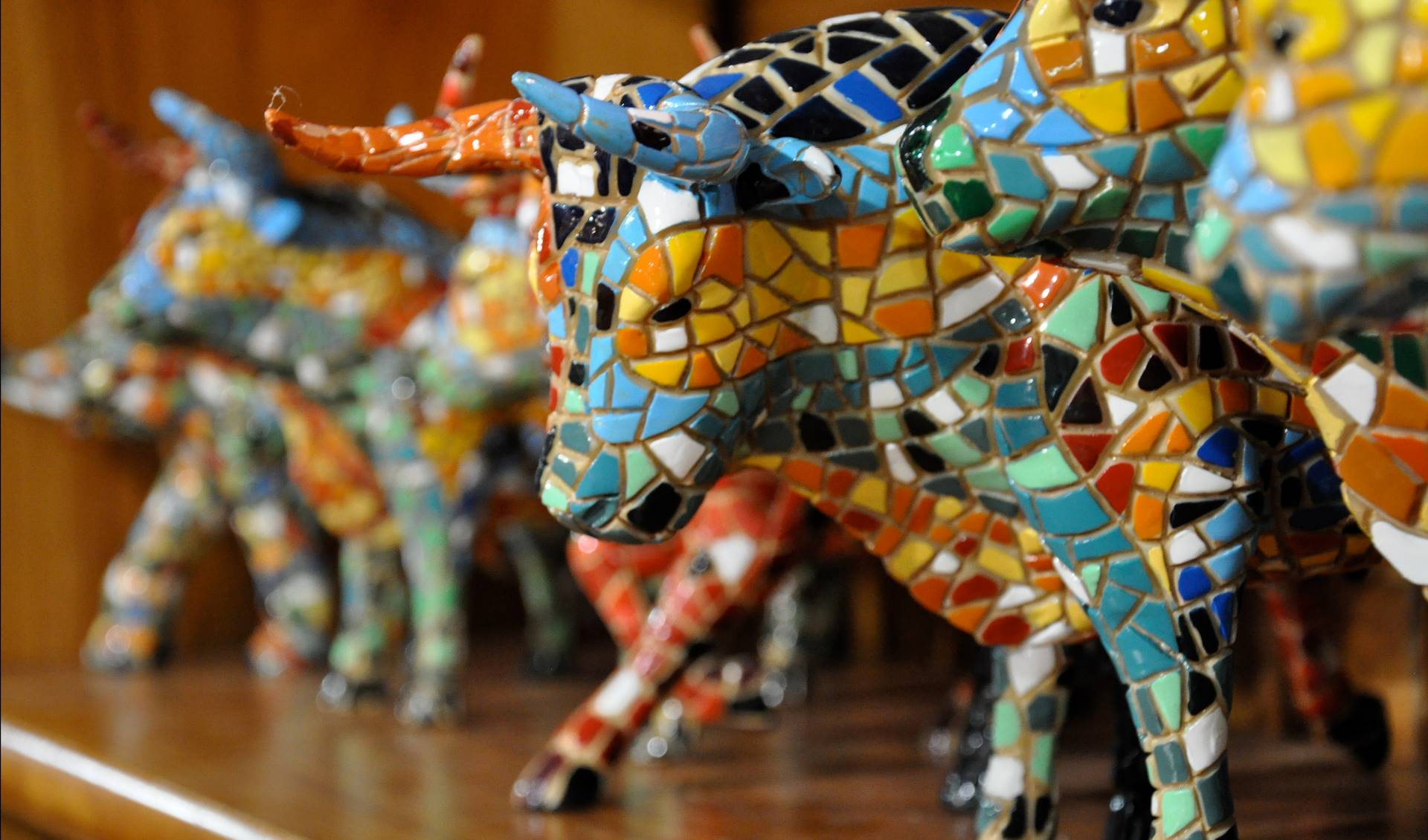
Spain is so diverse that there is no universal souvenir that equally represents all regions. It is much more interesting to choose a gift according to the place of travel. In Catalonia, you can pay attention to local ceramics, coffee, sweets, and items with characteristic Catalan symbolism. Barcelona also offers many items related to the architecture of Antoni Gaudi, although among them, it is important to distinguish quality designer reproductions from cheap mass-produced products.
Andalusia is associated with ceramics, olive oil, spices, leather products, and traditional decorative items. In Seville and other cities of the region, you can find items inspired by Moorish and Mediterranean ornamentation. For a gift, small ceramic tiles or decorative plates work well.
Valencia is known for its ceramic traditions and gastronomy. Here, it is worth paying attention to local products and kitchen items. In the Basque Country, you can purchase regional gastronomic products, sauces, cheese, canned goods, and other products related to local cuisine.
Madrid has a slightly different character. Here, there is a huge selection of both traditional souvenirs and modern designer items. Popular items include those with the capital's symbolism, accessories, gastronomic sets, and products from local brands. In the Canary Islands, the assortment also differs due to the characteristics of the local nature and culture.
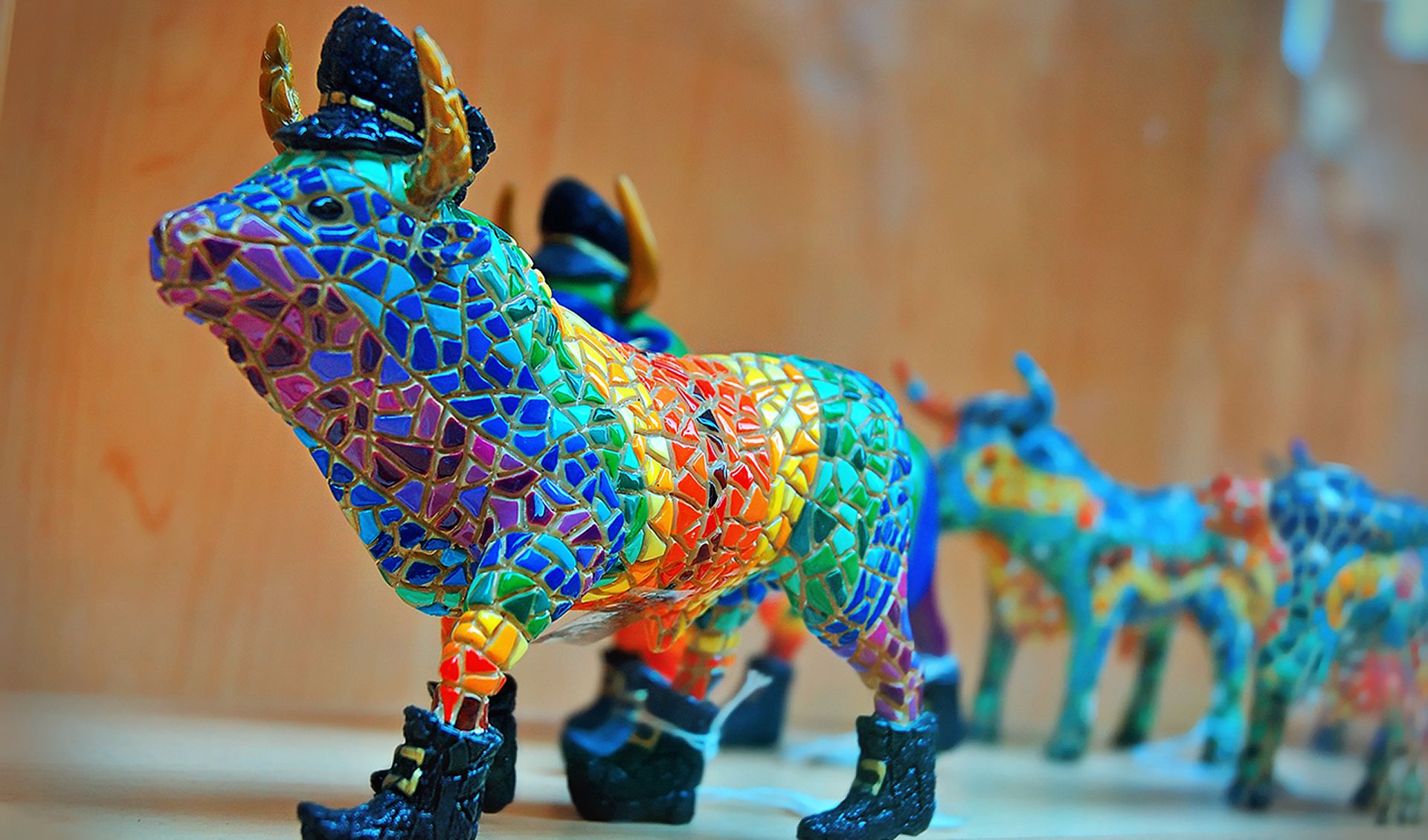
When choosing a regional gift, a simple rule is useful: the more closely the item is related to a specific place, the more interesting it can be as a memory of the trip. A small jar of a local product, a ceramic cup from a local manufacturer, or traditional textile sometimes conveys the atmosphere of the region better than an expensive souvenir with a lot of tourist symbolism.
What Not to Buy or Bring from Spain
When choosing souvenirs, it is important to think not only about the appearance of the item but also about the possibility of easily transporting it across the border. The most questions may arise with products of animal origin, plants, seeds, large volumes of alcohol, and other goods for which there are special customs rules. If the gift is intended for transport to Ukraine, it is necessary to consider the Ukrainian import rules rather than just the Spanish export norms.
You should not buy products without clear labeling, especially if their composition, expiration date, or storage conditions are unknown. This primarily concerns goods from markets and small shops where the packaging information may be incomplete. Caution is also needed when purchasing cosmetics without factory packaging.
Separately, one should avoid purchasing items made from materials whose circulation may be restricted by international or customs regulations. These may include certain products made from natural materials, parts of plants, animal components, or antiques. If an item looks like an ancient artifact, painting, or other cultural object, it is worth checking the possibility of its legal export.
Cheap souvenirs of questionable quality that simply take up space in luggage are also not the best choice. A magnet or keychain can be appropriate as a small symbolic gift, but if you want to bring back a truly characteristic piece, it is better to choose a local product, ceramics, textiles, cosmetics, or a handmade item. When purchasing expensive items, it is important to keep the receipt and documents confirming the purchase. This is especially important for valuable items, art objects, and products that may fall under special rules for crossing the border.
However, the most important thing is to have the courage to travel to Spain and gather experiences. Everything else does not matter as much as what souvenirs and gifts to choose.

Read also